 filings.tools
Item 1. Business
55K characters. Original on sec.gov · Markdown
Item 1. Business
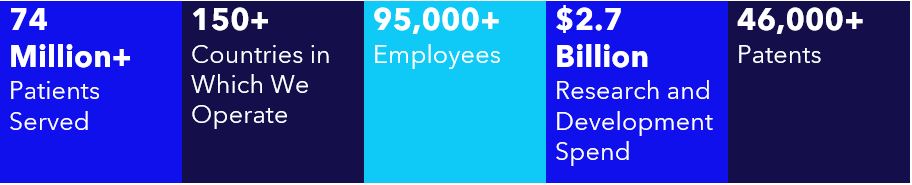
Medtronic plc, headquartered in Dublin, Ireland, is the leading global healthcare technology company. Medtronic was founded in 1949 and today serves healthcare systems, physicians, clinicians, and patients in more than 150 countries worldwide. We remain committed to a mission written by our founder in 1960 that directs us “to contribute to human welfare by the application of biomedical engineering in the research, design, manufacture, and sale of products to alleviate pain, restore health, and extend life.”
Our Mission — to alleviate pain, restore health, and extend life — empowers insight-driven care and better outcomes for our world. We remain committed to being recognized as a company of dedication, honesty, integrity, and service. Building on this strong foundation, we are embracing our role as a healthcare technology leader and evolving our business strategy in four key areas:
-
Leveraging our pipeline to accelerate revenue growth: The combination of our good end markets, recent product launches and robust pipeline is expected to continue accelerating our growth over both the near-and long-term. We aim to bring inventive and disruptive technology to large healthcare opportunities which enables us to better meet patient needs. Patients around the world deserve access to our life-saving products, and we are driven to use our local presence and scale to increase the adoption of our products and services in markets around the globe.
-
Serving more patients by accelerating innovation driven growth and delivering shareholder value: We listen to our patients and customers to better understand the challenges they face. From the patient journey, to creating agile partnerships that produce novel solutions, to making it easier for our customers to deploy our therapies — everything we do is anchored in deep insight, and creates simpler, superior experiences.
-
Creating and disrupting markets with our technology: We are confident in our ability to maximize new technology, artificial intelligence (AI), and data and analytics to tailor therapies in real-time, facilitating remote monitoring and care delivery that conveniently manages conditions, and creates new standards of care.
-
Empowering our operating units to be more nimble and more competitive: Our operating model, which was effective February 2021, simplified our organization to accelerate decision making, improve commercial execution, and more effectively leverage the scale of our company.
We have four operating and reportable segments that primarily develop, manufacture, distribute, and sell device-based medical therapies and services: the Cardiovascular Portfolio, the Medical Surgical Portfolio, the Neuroscience Portfolio, and the Diabetes Operating Unit. For more information regarding our segments, please see Note 19 to the consolidated financial statements in "Item 8. Financial Statements and Supplementary Data" in this Annual Report on Form 10-K.
CARDIOVASCULAR PORTFOLIO
The Cardiovascular Portfolio is made up of the Cardiac Rhythm & Heart Failure, Structural Heart & Aortic, and Coronary & Peripheral Vascular divisions. The primary medical specialists who use our Cardiovascular products include electrophysiologists, implanting cardiologists, heart failure specialists, cardiovascular, cardiothoracic, and vascular surgeons, and interventional cardiologists and radiologists.

Cardiac Rhythm & Heart Failure
Our Cardiac Rhythm & Heart Failure division includes the following Operating Units: Cardiac Rhythm Management; Cardiac Ablation Solutions; and Cardiovascular Diagnostics and Services. The division develops, manufactures, and markets products for the diagnosis, treatment, and management of heart rhythm disorders and heart failure. Our products include implantable devices, leads and delivery systems, products for the treatment of atrial fibrillation (AF), products designed to reduce surgical site infections, and information systems for the management of patients with Cardiac Rhythm & Heart Failure devices. Principal products and services offered include:
-
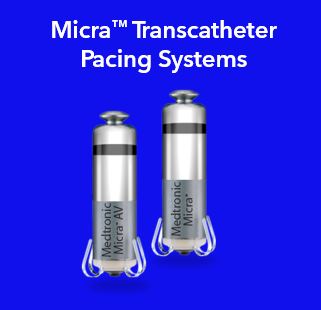
Implantable cardiac pacemakers including the Azure MRI SureScan, Adapta, Advisa MRI SureScan, and the Micra Transcatheter Pacing System. The Micra Transcatheter Pacing System, which is leadless and does not have a subcutaneous device pocket like a conventional pacemaker, includes the Micra VR and the Micra AV device families. Both of these pacemakers treat patients with atrioventricular block.
-
Implantable cardioverter defibrillators (ICDs), including the Visia AF MRI SureScan, Evera MRI SureScan, Primo MRI, and the Cobalt and Crome portfolio of BlueSync-enabled ICDs, as well as defibrillator leads, including the Sprint Quattro Secure lead.
-
Implantable cardiac resynchronization therapy devices (CRT-Ds and CRT-Ps) including the Claria/Amplia/Compia family of MRI Quad CRT-D SureScan systems and the Cobalt and Crome portfolio of BlueSync-enabled CRT-Ds, as well as the Percepta/Serena/Solara family of MRI Quad CRT-P SureScan systems.
-
Cardiac ablation products include a full suite of electrophysiology solutions to treat patients with arrhythmias, including paroxysmal and persistent AF. The portfolio includes the Arctic Front Advanced Cardiac Cryoablation System, the DiamondTemp Ablation system, a temperature controlled, irrigated radiofrequency ablation system, Sphere 9 catheter, the first of its kind with high density mapping capabilities combined with radio frequency and pulsed field energies to deliver ablation lesions, and Affera Mapping and Navigation System with Prism-1 software aimed at integrating clinical information to improve patient outcomes.
-
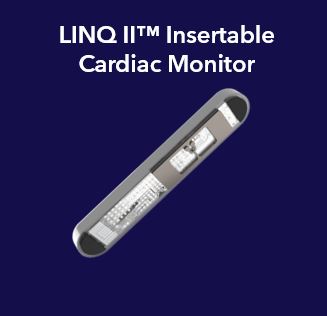
Insertable cardiac monitoring systems, including the Reveal LINQ and LINQ II. These devices are for patients who experience transient symptoms such as dizziness, palpitation, syncope (fainting) and chest pain, which may indicate a cardiac arrhythmia that requires long-term monitoring or ongoing management. The LINQ II device offers improved device longevity, remote programming, unmatched accuracy and a streamlined workflow with AccuRhythm AI algorithms to reduce clinic workload and data burden.
-
TYRX products, including the Cardiac and Neuro Absorbable Antibacterial Envelopes, which are designed to stabilize electronic implantable devices and help prevent infection associated with implantable pacemakers and defibrillators.
-
Remote monitoring services and patient-centered software to enable efficient care coordination as well as services related to hospital operational efficiency.
-
Medtronic stopped the distribution and sale of the HVAD System in June 2021. We continue a support program for patients with HVAD devices, and for caregivers and healthcare professionals who participate in their care.
Structural Heart & Aortic
Our Structural Heart & Aortic division includes the following Operating Units: Structural Heart & Aortic and Cardiac Surgery. The division includes therapies to treat heart valve disorders and aortic disease. Our devices include products for the repair and replacement of heart valves, perfusion systems, positioning and stabilization systems for beating heart revascularization surgery, surgical ablation products, and comprehensive line of products and therapies to treat aortic disease, such as aneurysms, dissections, and transections. Principal products offered include:
-
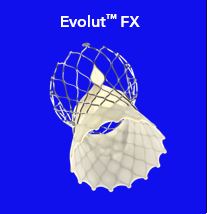
CoreValve family of aortic valves, including the Evolut PRO, Evolut PRO+, Evolut FX TAVR systems for transcatheter aortic valve replacement.
-
Surgical valve replacement and repair products for damaged or diseased heart valves, including both tissue and mechanical valves; blood-handling products that form a circulatory support system to maintain and monitor blood circulation and coagulation status, oxygen supply, and body temperature during arrested heart surgery; and surgical ablation systems and positioning and stabilization technologies.
-
Endovascular stent grafts and accessories, including the Endurant II Stent Graft System for the treatment of abdominal aortic aneurysms, the Valiant Captivia Thoracic Stent Graft System for thoracic endovascular aortic repair procedures, and the Heli-FX EndoAnchor System.
-
Transcatheter Pulmonary Valves, including Harmony Transcatheter Pulmonary Valve (TPV) and Delivery Catheter System and Melody TPV/Ensemble II Delivery System.
Coronary & Peripheral Vascular
Our Coronary & Peripheral Vascular division includes the following Operating Units: Coronary & Renal Denervation and Peripheral Vascular Health. The division is comprised of a comprehensive line of products and therapies to treat coronary artery disease as well as peripheral vascular disease and venous disease. Our products include coronary stents and related delivery systems, including a broad line of balloon angioplasty catheters, guide catheters, guide wires, diagnostic catheters, and accessories, peripheral drug coated balloons, stent and angioplasty systems, carotid embolic protection systems for the treatment of vascular disease outside the heart, and products for superficial and deep venous disease. Principal products offered include:
-
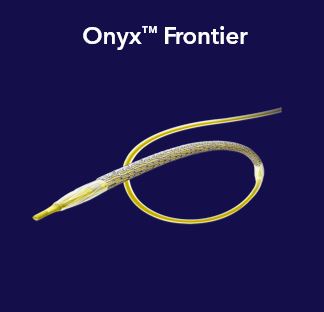
Percutaneous Coronary Intervention products including our Onyx Frontier and Resolute Onyx drug-eluting stents, Euphora balloons, and Launcher guide catheters.
-
Percutaneous angioplasty balloons including the IN.PACT family of drug-coated balloons, vascular stents including the Abre venous stent, directional atherectomy products including the HawkOne directional atherectomy system, and other procedure support tools.
-
Products to treat superficial venous diseases in the lower extremities including the ClosureFast radiofrequency ablation system and the VenaSeal Closure System.
MEDICAL SURGICAL PORTFOLIO
The Medical Surgical Portfolio includes the Surgical and Respiratory, Gastrointestinal, & Renal divisions. Products and therapies of this group are used primarily by healthcare systems, physicians' offices, ambulatory care centers, and other alternate site healthcare providers. While less frequent, some products and therapies are also used in home settings.

Surgical Innovations
Our Surgical Innovations division includes the following Operating Units: Surgical Innovations and Surgical Robotics. The division develops, manufactures, and markets advanced and general surgical products, including advanced stapling devices, vessel sealing instruments, wound closure products, electrosurgery products, AI-powered surgical video and analytics platform, and robotic-assisted surgery products, hernia mechanical devices, mesh implants, gynecology products, lung health and visualization, and therapies to treat diseases and conditions that are typically, but not exclusively, addressed by surgeons. Principal products and services offered include:
-
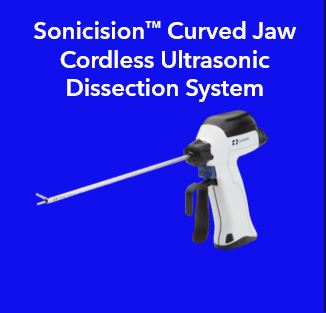
Advanced stapling and energy products, including the Tri-Staple technology platform for endoscopic stapling, including the Endo GIA reloads and reinforced reloads with Tri-Staple Technology and the Endo GIA ultra universal stapler; the Signia Powered Stapling System; the LigaSure Exact Dissector and L-Hook Laparoscopic Sealer/Divider; and the Sonicision 7 curved jaw cordless ultrasonic dissection system.
-
Electrosurgical hardware and instruments, including the Valleylab FT10 energy platform, the Valleylab LS10 generator, and the Force TriVerse electrosurgical pencils.
-
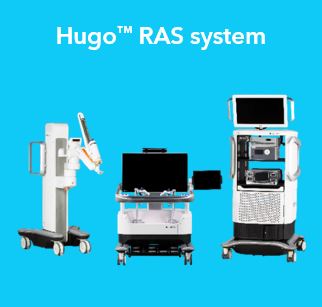
Robotic and digital surgery technologies including, the Hugo robotic-assisted surgery (RAS) system designed for a broad range of soft-tissue procedures, and Touch Surgery Enterprise, the first-of-its-kind AI-powered surgical video management solution for the operating room.
-
Products designed for the treatment of hernias, including the AbsorbaTack absorbable mesh fixation device for hernia repair, the Symbotex composite mesh for surgical laparoscopic and open ventral hernia repair, and ProGrip Laparoscopic Self-Fixating Mesh, a self-gripping, biocompatible solution for inguinal hernias.
-
Suture and wound closure products, including the V-Loc barbed sutures, the Polysorb braided absorbable sutures, and the Monosof absorbable monofilament nylon sutures.
Respiratory, Gastrointestinal, & Renal
Our Respiratory, Gastrointestinal, & Renal division includes the following Operating Units: Respiratory Interventions; Patient Monitoring; and Gastrointestinal. The division develops, manufactures, and markets products in the emerging fields of minimally invasive gastrointestinal and hepatologic diagnostics and therapies, patient monitoring, and respiratory interventions including airway management and ventilation therapies. Effective April 1, 2023, we have contributed our Renal Care Solutions (RCS) business as part of an agreement with DaVita to form a new, independent kidney care-focused medical device company (“Mozarc Medical”). Principal products and services offered include:
-
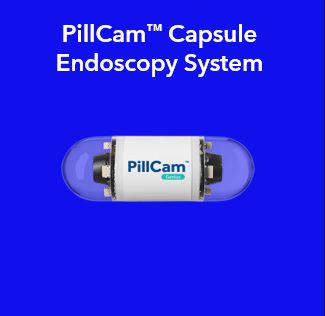
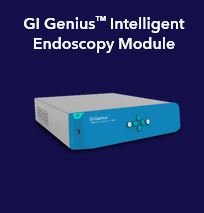
Gastrointestinal and endoscopy products, including the GI Genius intelligent endoscopy module, the PillCam capsule endoscopy systems, the Bravo calibration-free reflux testing systems, the Endoflip Impedance Planimetry System, the Emprint ablation system with Thermosphere Technology, the ManoScan Bravo system, the Barrx platform through ablation with the Barrx 360 Express catheter, the Cool-tip radiofrequency ablation system, the HET Bipolar System, the Beacon delivery system, and the Nexpowder endoscopic hemostasis system.
-
Airway, ventilation, and inhalation therapies products, including the Puritan Bennett 980 and 840 ventilators, the Newport e360 and HT70 ventilators, the TaperGuard Evac tube, Shiley Endotracheal Tubes, Shiley Tracheostomy Tubes, McGRATH MAC video laryngoscopes, and DAR Filters.
- Products focused on patient monitoring, including Nellcor pulse oximetry monitors and sensors, Microstream capnography monitors, Bispectral Index (BIS) brain monitoring technology, INVOS cerebral/somatic oximetry systems, Vital Sync remote monitoring, WarmTouch convective warming, and the RespArray patient monitor.
NEUROSCIENCE PORTFOLIO
The Neuroscience Portfolio is made up of the Cranial & Spinal Technologies, Specialty Therapies, and Neuromodulation divisions. The primary medical specialists who use the products of this group include spinal surgeons, neurosurgeons, neurologists, pain management specialists, anesthesiologists, orthopedic surgeons, urologists, urogynecologists, interventional radiologists, and ear, nose, and throat specialists.

Cranial & Spinal Technologies
Our Cranial & Spinal Technologies division and Operating Unit develops, manufactures, and markets an integrated portfolio of devices and therapies for surgical technologies designed to improve the precision and workflow of neuro procedures, and a comprehensive line of medical devices and implants used in the treatment of the spine and musculoskeletal system. The division also provides biologic solutions for the orthopedic markets and offers unique and highly differentiated imaging, navigation, power instruments, and robotic guidance systems used in spine and cranial procedures. Principal products and services offered include:
-
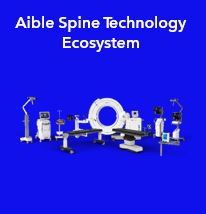
Neurosurgery products, including platform technologies, implant therapies, and advanced energy products through the Aible spine technology ecosystem. This includes our StealthStation S8 Navigation System, Stealth Autoguide cranial robotic guidance platform, O-arm Imaging System, Mazor X robotic guidance systems used in robot-assisted spine procedures, UNiD Adaptive Spine Intelligence AI-driven technology, and our Midas Rex surgical drills, including our MR8 high-speed drill system.
-
Products to treat a variety of conditions affecting the spine, including degenerative disc disease, spinal deformity, spinal tumors, fractures of the spine, and stenosis. These products include our CATALYFT PL expandable interbody spacers, CD Horizon ModuLeX spinal system, and T2 STRATOSPHERE Expandable Corpectomy System. These products can also include titanium interbody implants and surface technologies, such as our Adaptix interbody system and incorporated Titan Interbody Fusion Device with nanoLOCK technology.
-
Products that facilitate less invasive thoracolumbar surgeries, including the CD HORIZON SOLERA VOYAGER Percutaneous Fixation System and various retractor systems to access the spine through smaller incisions.
-
Products to treat conditions in the cervical region of the spine, including the ZEVO Anterior Cervical Plate System, the INFINITY OCT System, and PRESTIGE LP Cervical Artificial Discs.
-
Biologic solutions products, including our INFUSE Bone Graft (InductOs in the European Union (E.U.)), which contains a recombinant human bone morphogenetic protein-2, rhBMP-2, for certain spinal, trauma, and oral maxillofacial applications.
-
Demineralized bone matrix products, including MAGNIFUSE, GRAFTON/GRAFTON PLUS, and the MASTERGRAFT family of synthetic bone graft products – Matrix, Putty, Strip, and Granules.
Specialty Therapies
Our Specialty Therapies division includes the following Operating Units: Neurovascular; Ear, Nose, and Throat (ENT); and Pelvic Health. The division develops, manufactures, and markets products and therapies to treat patients afflicted with acute ischemic and hemorrhagic stroke, diseases of ENT, and patients suffering from overactive bladder, (non-obstructive) urinary retention, and chronic fecal incontinence. Principal products and services offered include:
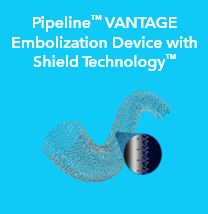
- Neurovascular products to treat diseases of the vasculature in and around the brain. This includes coils, neurovascular stent retrievers, and flow diversion products, as well as access and delivery products to support procedures. Products also include the Pipeline Flex Embolization Device with Shield Technology, endovascular treatments for large or giant wide-necked brain aneurysms, the portfolio of Solitaire revascularization devices for treatment of acute ischemic stroke, the Riptide Aspiration
System, the Onyx Liquid Embolic System, and a portfolio of associated access catheters including our React aspiration catheters also for the treatment of acute ischemic stroke.
-
ENT products, including the Straightshot M5 Microdebrider Handpiece, the Integrated Power Console (IPC) system, NIM Vital Nerve Monitoring Systems, Propel and Sinuva Sinus Implants from the acquisition of Intersect ENT, StealthStation ENT and StealthStation FlexENT Navigation Systems, as well as products for hearing restoration.
-
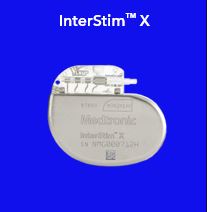
Pelvic health products, including our InterStim X and InterStim II recharge-free neurostimulators, InterStim Micro rechargeable neurostimulators, and SureScan MRI leads. Our NURO System delivers Percutaneous Tibial Neuromodulation therapy to treat overactive bladder and associated symptoms of urinary urgency, urinary frequency, and urge incontinence.
Neuromodulation
Our Neuromodulation division and Operating Unit develops, manufactures, and markets spinal cord stimulation and brain modulation systems, implantable drug infusion systems for chronic pain, as well as interventional products. Principal products and services offered include:
-
Spinal cord stimulation products, including rechargeable and recharge-free devices and a large selection of leads used to treat chronic back and/or limb pain and chronic pain resulting from diabetic peripheral neuropathy. This includes the Intellis (rechargeable) and Vanta (recharge-free) Spinal Cord Stimulation Systems, with AdaptiveStim and SureScan MRI Technology, DTM (differential target multiplexed) proprietary waveform, the Evolve workflow algorithm, and Snapshot reporting.
-
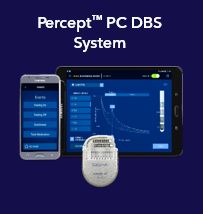
Brain modulation products, including those for the treatment of the disabling symptoms of Parkinson's disease, essential tremor, refractory epilepsy, severe, treatment-resistant obsessive-compulsive disorder (approved under a Humanitarian Device Exemption (HDE) in the U.S.), and chronic, intractable primary dystonia (approved under a HDE in the U.S.). Specifically, this includes our family of Activa neurostimulators, including Activa SC (single-channel primary cell battery), Activa PC (dual channel primary cell battery), and Activa RC (dual channel rechargeable battery), as well as Percept PC neurostimulator and SenSight directional lead system with the proprietary BrainSense technology.
-
Implantable drug infusion systems, including our SynchroMed II Implantable Infusion System, that deliver small quantities of drug directly into the intrathecal space surrounding the spinal cord.
-
Interventional products, including the Kyphon Balloon, the Kyphon V Premium, and Kyphon Assist systems and the OsteoCool RF Tumor ablation system.
-
The Accurian nerve ablation system, which conducts radio frequency ablation of nerve tissues.
DIABETES OPERATING UNIT
The Diabetes Operating Unit develops, manufactures, and markets products and services for the management of Type 1 and Type 2 diabetes. The primary medical specialists who use and/or prescribe our Diabetes products are endocrinologists and primary care physicians.


Principal products and services offered include:
-
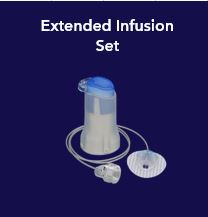
Insulin pumps and consumables, including the MiniMed 770G system and MiniMed 780G system, which are all powered by SmartGuard technology. The MiniMed 770G and 780G system provides smartphone and Bluetooth connectivity, continuously delivers background insulin, monitors sugar levels, and an expanded age indication to ages two and up. The MiniMed 780G further reduces patient burden by including automatic correction boluses, meal-time detection system, and an adjustable glucose target down to 100 mg/dl.
-
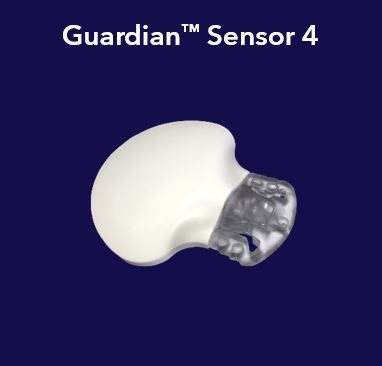
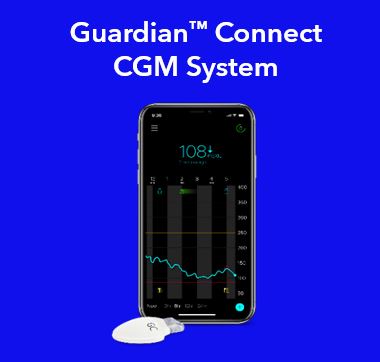
Continuous glucose monitoring (CGM) systems and sensors, including the Guardian Connect smart CGM system, the Guardian Sensor 3, and the Guardian Sensor 4, are products worn by patients capturing glucose data to reveal patterns and potential problems, such as hyperglycemic and hypoglycemic episodes.
- The InPen smart insulin pen system combines a reusable Bluetooth-enabled insulin pen with an intuitive mobile app that helps users administer the appropriate insulin dose. The InPen application integrates with our CGM data to provide real-time CGM readings alongside insulin dose information.
HUMAN CAPITAL
Medtronic Workforce Overview
Medtronic’s employees deliver on our Mission every day. We empower insight-driven care, experiences that put people first, and better outcomes for our world. In everything we do, we are engineering the extraordinary. We strive to be the employer of choice for the best and brightest global talent, where employees can grow and develop fulfilling careers. We aspire to create a truly inclusive, diverse, and equitable workplace that fosters innovation and creativity, and where every employee feels a sense of belonging and well-being. Medtronic has 95,000+ full-time employees, of which forty-three percent are based in the U.S. or Puerto Rico.
Inclusion, Diversity & Equity
We believe that improving health for people from all walks of life depends on our ability to unleash the creative power of our diverse global employees. By breaking down barriers to Inclusion, Diversity and Equity (ID&E), we open doors for everyone, driving progress and prosperity around the world. We integrate ID&E principles throughout our Company to ensure every operating unit, team, and leader recognizes and celebrates the value of diverse experiences and backgrounds. As of the end of fiscal year 2023, 40 percent of our U.S. workforce is ethnically diverse; women comprise 51 percent of our global workforce; 43 percent of our manager and above employees are women; and 28 percent of our U.S. managers are ethnically diverse. Additionally, Medtronic employee resource groups (ERGs) are employee-led affinity groups that provide career development and networking opportunities for members and strengthen ties between employees of many different backgrounds, cultures, and interests. In fiscal year 2023, there were 13 ERGs and Diversity Networks across 300+ Network and ERG chapters in 70 countries with more than 35,000 members.
Pay Equity
In our most recent reported period available, in the United States, we have achieved 100% pay equity for gender for the third consecutive year and 100% pay equity for ethnically diverse employees. Globally we have achieved 99% pay equity for gender. We are actively working to close any remaining pay gaps by continuing to expand the annual pay equity analyses for each country we operate in.
Workforce Compensation
Our compensation framework is designed to celebrate the value and contributions of our employees. We are committed to transparent communications on compensation. Our competitive approach to compensation reflects industry benchmarks and local market standards. Our programs include annual and long-term equity-based incentives that provide the means to share in the Company’s success, based on business and individual performance. To attract the best leaders, we offer competitive benefits and cash and equity incentives. We reward high-performing employees with an ownership stake in the Company through restricted stock, and all employees have the opportunity to purchase stock at a significant discount.
Learning & Development
The skills and dedication of our employees drive our business performance. Our comprehensive professional development programs empower our people to build rewarding careers and help us attract world-class talent from global and diverse populations. Our suite of professional development programs ensures that our employees, regardless of level, location, language or learning preferences, have access to opportunities to develop and grow. Our investment in employee development has contributed to more than 32 percent of our open roles being filled with internal employees.
We have shifted away from degree requirements to focus on skills-based certification for certain roles within Medtronic. Additionally, as members of the Multiple Pathways Initiative, we have used a skills-based approach to offering opportunities to expanded pools of external talent that have previously been held back due to lack of access to undergraduate education. Internally, employees can now participate through MAPS (Medtronic Advancement Pathways and Skill-building) in undergraduate courses from top-tier universities to enhance or obtain new skills, at no cost to the employee. Our change in approach has opened up opportunities for employees who have been otherwise restricted from career advancement due to degree requirements.
Employee Engagement and Culture
Through our Organizational Health Survey, we gain valuable insight into the Medtronic employee experience and identify where we can improve in key priority areas: 1) Employee Engagement, 2) Inclusion, 3) Innovation, 4) Ethics and 5) quality culture as part of our commitment to Put Patients First in our everyday decisions and actions. In our most recent survey ending in the fourth quarter of fiscal year 2023, more than 82 percent of our employees responded. Medtronic carefully reviews and implements actions based on employee feedback in order to partner and create an inclusive, innovative and supportive environment.
To enable our transformation to be the global healthcare technology leader, we introduced a reinvigorated and revived culture. The Medtronic Mindset builds on our core values of integrity, quality, inclusion, and collaboration. It urges us to act boldly, compete to win, move with speed and decisiveness, foster belonging, and deliver results… the right way. Our renewed culture helps us meet the needs of our patients and customers, and ensures our Mission endures for many years to come.
Health & Safety
As a large, global employer, it is our responsibility to maintain a safe workplace and support the well-being of our employees.
Medtronic has a comprehensive approach to providing robust support for our employees and their families in natural disasters, public health crises, civil unrest and war, bereavement, and other challenging events. Along with other programs, the Medtronic Employee Assistance Program and the Medtronic Employee Emergency Assistance Fund have historically supported employees and their families when faced with difficult times by providing a variety of services such as mental health, safety, and financial resources and support at no cost. These programs have proven invaluable in navigating our employees through unique challenges, including in fiscal year 2023. The Medtronic Employee Emergency Assistance Fund is supported by donations from employees and the Medtronic Foundation, and over the last five years has provided over $6 million in grants to employees experiencing unexpected events creating a financial hardship.
For more information on Human Capital Management at Medtronic, please refer to our 2022 Integrated Performance Report(1) as well as Medtronic’s 2022 Global Inclusion, Diversity and Equity Report(1) available on our company website.
CORPORATE SUSTAINABILITY GOALS
We see possibilities to further increase our positive impact in the world. We have identified three focus areas for our environmental, social, and governance (ESG) efforts to drive measurable impact on issues including: protecting our planet, accelerating access to healthcare technology, and advancing ID&E. In fiscal year 2022, we set new performance targets across the following areas: Patient Safety & Product Quality; Inclusion, Diversity & Equity; Climate Stewardship; Product Stewardship; and Access & Innovation. More information about our ESG focus areas, including progress we have made to date toward achieving them, is included in our Integrated Performance Report.(1)
(1)The contents of our Integrated Performance Report and our Global Inclusion, Diversity, and Equity Report are referenced for general information only and are not incorporated by reference in the Form 10-K.
OTHER FACTORS IMPACTING OUR OPERATIONS
Public Health Crises
The global COVID-19 pandemic, together with the preventative and precautionary measures taken by businesses, communities, and governments, have impacted, and may continue to impact significant aspects of our Company and business, including future procedural volumes, supply constraints, healthcare staffing, and resulting impacts on demand for our products and therapies. If there are significant outbreaks of other contagious diseases or other global public health crises, we may face similar impacts. See “Item 1A. Risk Factors” in this Annual Report on Form 10-K.
Research and Development
The markets in which we participate are subject to rapid technological advances and innovations. Constant improvement of existing products and introduction of new products is necessary to maintain market leadership. Our research and development (R&D) efforts are directed toward maintaining or achieving technological leadership in the markets we serve to help ensure that patients using our devices and therapies receive the most advanced and effective treatment possible. We remain committed to developing technological enhancements and new indications for existing products, and less invasive and new technologies for new and emerging markets to address unmet patient needs. That commitment leads to our initiation and participation in hundreds of clinical trials each fiscal year as the demand for clinical and economic evidence remains high. Furthermore, our development activities are intended to help reduce patient care costs and the length of hospital stays in the future. We have not engaged in significant customer or government-sponsored research.
Our R&D activities include improving existing products and therapies, expanding their indications and applications for use, developing new therapies and procedures, and entering into arrangements with third parties to fund the development of certain technologies. We continue to focus on optimizing innovation, improving our R&D productivity, driving growth in emerging markets, generating clinical evidence, and assessing our R&D programs based on their ability to address unmet clinical needs, produce better patient outcomes, and create new standards of care.
Intellectual Property and Litigation
We rely on a combination of patents, trademarks, tradenames, copyrights, trade secrets, and agreements (non-disclosure and non-competition agreements) to protect our business and proprietary technology. In addition, we have entered into exclusive and non-exclusive licenses relating to a wide array of third-party technologies. In the aggregate, these intellectual property assets and licenses are of material
importance to our business; however, we believe that no single intellectual property asset or license is material in relation to our business as a whole.
We operate in an industry characterized by extensive patent litigation. Patent litigation may result in significant damage awards and injunctions that could prevent the manufacture and sale of affected products or result in significant royalty payments in order to continue selling the products. At any given time, we are generally involved as both a plaintiff and a defendant in a number of patent infringement actions, the outcomes of which may not be known for prolonged periods of time.
Sales and Distribution
We sell our medical devices and therapies through a combination of direct sales representatives and independent distributors globally. Additionally, a portion of the Company's revenue is generated from consignment inventory maintained at hospitals. Our medical supply products are used primarily in hospitals, surgical centers, and alternate care facilities, such as home care and long-term care facilities, and are marketed to materials managers, group purchasing organizations (GPOs) and integrated delivery networks (IDNs). We often negotiate with GPOs and IDNs, which enter into supply contracts for the benefit of their member facilities. Our four largest markets are the U.S., Western Europe, China, and Japan. Emerging markets are an area of increasing focus and opportunity, as we believe they remain under-penetrated.
Our marketing and sales strategy is focused on rapid, cost-effective delivery of high-quality products to a diverse group of customers worldwide. To achieve this objective, our marketing and sales teams are organized around physician specialties. This focus enables us to develop highly knowledgeable and dedicated sales representatives who are able to foster strong relationships with physicians and other customers and enhance our ability to cross-sell complementary products.
We are not dependent on any single customer for more than 10 percent of our total net sales.
Competition, Industry, and Cost Containment
We compete in both the therapeutic and diagnostic medical markets in more than 150 countries throughout the world. These markets are characterized by rapid change resulting from technological advances, innovations and scientific discoveries. Our product lines face a mix of competitors ranging from large manufacturers with multiple business lines to small manufacturers offering a limited selection of products. In addition, we face competition from providers of other medical therapies, such as pharmaceutical companies.
Major shifts in industry market share have occurred in connection with product corrective actions, physician advisories, safety alerts, results of clinical trials to support superiority claims, and publications about our products, reflecting the importance of product quality, product efficacy and quality systems in the medical device industry. In the current environment of managed care, economically motivated customers, consolidation among healthcare providers, increased competition, declining reimbursement rates, and national and provincial tender pricing, competitively priced product offerings are essential to our business. In order to continue to compete effectively, we must continue to create or acquire advanced technology, incorporate this technology into proprietary products, obtain regulatory approvals in a timely manner, maintain high-quality manufacturing processes, and successfully market these products.
Government and private sector initiatives to limit the growth of healthcare costs, including price regulation, competitive pricing, bidding and tender mechanics, coverage and payment policies, comparative effectiveness of therapies, technology assessments and managed-care arrangements, are continuing in many countries where we do business, including the U.S. These initiatives put increased emphasis on the delivery of more cost-effective medical devices and therapies. Government programs, including Medicare and Medicaid, private healthcare insurance and managed-care plans have attempted to control costs by limiting the amount of reimbursement they will pay for particular procedures or treatments, tying reimbursement to outcomes, shifting to population health management, and other mechanisms. Hospitals, which purchase our technology, are also seeking to reduce costs through a variety of mechanisms, including, for example, centralized purchasing, and in some cases, limiting the number of vendors that may participate in the purchasing program. Hospitals are also aligning interests with physicians through employment and other arrangements, such as gainsharing, where a hospital agrees with physicians to share any realized cost savings resulting from changes in practice patterns such as device standardization. This has created an increased level of price sensitivity among customers for our products.
Production and Availability of Raw Materials
We manufacture products at manufacturing facilities located in various countries throughout the world. We purchase many of the components and raw materials used in manufacturing our products from numerous suppliers in various countries. Certain components and raw materials are available only from a sole supplier. We work closely with our suppliers to help ensure continuity of supply while maintaining high quality and reliability. Generally, we have been able to obtain adequate supplies of such raw materials and components. However, due to the U.S. FDA’s manufacturing requirements, we may not be able to quickly establish additional or replacement sources for certain components or materials if we experience a sudden or unexpected reduction or interruption in supply and are unable to develop alternative sources.
For additional information related to our manufacturing facilities refer to “Item 2. Properties” in this Annual Report on Form 10-K.
Government Regulation
Our operations and products are subject to extensive regulation by numerous government agencies, including the U.S. FDA, European regulatory authorities such as the Medicines and Healthcare products Regulatory Agency in the United Kingdom, the Health Products Regulatory Authority in the Republic of Ireland and the Federal Institute for Drugs and Medical Devices in Germany, the China National Medical Product Administration (NMPA), and other government agencies inside and outside the U.S. To varying degrees, each of these agencies requires us to comply with laws and regulations governing the development, testing, manufacturing, labeling, marketing, distribution and post-marketing surveillance of our products. Our business is also affected by patient and data privacy laws and government payer cost containment initiatives, as well as environmental health and safety laws and regulations.
Product Approval and Monitoring
Many countries where we sell products are subjected to approval and other regulatory requirements regarding performance, safety, and quality of our products. Authorization to commercially distribute a new medical device in the U.S. is generally obtained in one of two primary ways. The first, known as pre-market notification or the 510(k) process, requires us to demonstrate that our medical device is substantially equivalent to a legally marketed medical device. The second, more rigorous process, known as pre-market approval, requires us to independently demonstrate that a medical device is safe and effective for its intended use. This process is generally much more time-consuming and expensive than the 510(k) process.
In the E.U., conformity with the marketing authorization requirements is represented by the CE Mark. To obtain a CE Mark, defined products must meet minimum standards of performance, safety, and quality (i.e., the essential requirements), and then, according to their classification, comply with one or more of a selection of conformity assessment routes. The competent authorities of the E.U. countries separately regulate the clinical research for medical devices and the market surveillance of products once they are placed on the market. The Medical Device Regulation was published by the E.U. in 2017, and it imposes significant additional pre-market and post-market requirements (EU MDR). The regulation provided an implementation period and became effective on May 26, 2021. The European Commission recently extended the implementation period to the end of 2027 for high-risk devices and to the end of 2028 for medium and low risk devices.
The global regulatory environment is increasingly stringent and unpredictable. While harmonization of global regulations has been pursued, requirements continue to differ among countries. We expect this global regulatory environment will continue to evolve, which could impact the cost, the time needed to approve, and ultimately, our ability to maintain existing approvals or obtain future approvals for our products. Regulations of the U.S. FDA and other regulatory agencies in and outside the U.S. impose extensive compliance and monitoring obligations on our business. These agencies review our design and manufacturing processes, labeling, record keeping, and manufacturers’ required reports of adverse experiences and other information to identify potential problems with marketed products. We are also subject to periodic inspections for compliance with applicable quality system regulations, which govern the methods used in, and the facilities and controls used for, the design, manufacture, packaging, and servicing of finished medical devices intended for human use. In addition, the U.S. FDA and other regulatory bodies, both in and outside the U.S. (including the Federal Trade Commission, the Office of the Inspector General of the Department of Health and Human Services, the U.S. Department of Justice, and various state Attorneys General), monitor the promotion and advertising of our products. Any adverse regulatory action, depending on its magnitude, may limit our ability to effectively market and sell our products, limit our ability to obtain future pre-market approvals or result in a substantial modification to our business practices and operations. For additional information, see "Item 1A. Risk Factors" We are subject to extensive and complex laws and governmental regulations and any adverse regulatory action may materially adversely affect our financial condition and business operations.
Trade Regulations
The movement of products, services, and investment across borders subjects us to extensive trade regulations. A variety of laws and regulations in the countries in which we transact business apply to the sale, shipment and provision of goods, services and technology across borders. These laws and regulations govern, among other things, our import, export and other business activities. We are also subject to the risk that these laws and regulations could change in a way that would expose us to additional costs, penalties or liabilities. Some governments also impose economic sanctions against certain countries, persons or entities. In addition to our need to comply with such regulations in connection with our direct activities, we also sell and provide goods, technology and services to agents, representatives and distributors who may export such items to customers and end-users. If we, or the third parties through which we do business, are not in compliance with applicable import, export control or economic sanctions laws and regulations, we may be subject to civil or criminal enforcement action, and varying degrees of liability. Such actions may disrupt or delay sales of our products or services or result in restrictions on our distribution and sales of products or services that may materially impact our business.
Anti-Boycott Laws
Under U.S. laws and regulations, U.S. companies and their subsidiaries and affiliates outside the U.S. are prohibited from participating or agreeing to participate in unsanctioned foreign boycotts in connection with certain business activities, including the sale, purchase, transfer, shipping or financing of goods or services within the U.S. or between the U.S. and countries outside of the U.S. If we, or certain third
parties through which we sell or provide goods or services, violate anti-boycott laws and regulations, we may be subject to civil or criminal enforcement action and varying degrees of liability.
Data Privacy and Security Laws and Regulations
As a business with a significant global footprint, compliance with evolving regulations and standards in data privacy and cybersecurity has resulted, and may continue to result, in increased costs, new compliance challenges, and the threat of increased regulatory enforcement activity. Our business relies on the secure electronic transmission, storage and hosting of sensitive information, including personal information, protected health information, financial information, intellectual property and other sensitive information related to our customers and workforce.
Our global operational footprint comes with the obligation for compliance and adherence to individual data security, confidentiality and breach notification laws at the State Level, Federal Level, and International Level. Examples of those laws include, in the U.S., the Health Insurance Portability and Accountability Act of 1996 (HIPAA), as amended, the Health Information Technology for Economic and Clinical Health Act of 2009 (HITECH), and various State privacy laws that have become effective recently. We are also subject to various other country-specific requirements around the world, such as the General Data Protection Regulation (GDPR) in the European Economic Area, the United Kingdom’s version of the same, and China's Personal information Protection Law (PIPL).
Because the laws and regulations continue to expand, differ from jurisdiction to jurisdiction, and are subject to evolving (and at times inconsistent) governmental interpretation, compliance with these laws and regulations may require significant additional cost expenditures or changes in products or business that increase competition or reduce revenue. Noncompliance could result in the imposition of fines, penalties, or orders to stop noncompliant activities, or withdrawal of noncompliant products from a market.
Regulations Governing Reimbursement
The delivery of our devices is subject to regulation by the U.S. Department of Health and Human Services (HHS) and comparable state and non-U.S. agencies responsible for reimbursement and regulation of healthcare items and services. U.S. laws and regulations are imposed primarily in connection with federally funded healthcare programs, such as the Medicare and Medicaid programs, as well as the government’s interest in regulating the quality and cost of healthcare. Other governments also impose regulations in connection with their healthcare reimbursement programs and the delivery of healthcare items and services.
U.S. federal healthcare laws apply when we or customers submit claims for items or services that are reimbursed under federally-funded healthcare programs, including laws related to kickbacks, false claims, self-referrals or other healthcare fraud. There are often similar state false claims, anti-kickback, and anti-self-referral and insurance laws that apply to state Medicaid and other healthcare programs and private third-party payers. In addition, as a manufacturer of U.S. FDA-approved devices reimbursable by federal healthcare programs, we are subject to the Physician Payments Sunshine Act, which requires us to annually report certain payments and other transfers of value we make to U.S.-licensed physicians or U.S. teaching hospitals. Any failure to comply with these laws and regulations could subject us or our officers and employees to criminal and civil financial penalties.
Implementation of legislative or regulatory reforms to reimbursement systems, or adverse decisions relating to our products by administrators of these systems in coverage or reimbursement, could significantly reduce reimbursement or result in the denial of coverage, which could have an impact on the acceptance of and demand for our products and the prices that our customers are willing to pay for them.
Environmental Health and Safety Laws
We are also subject to various environmental health and safety laws and regulations both within and outside the U.S. Like other companies in our industry, our manufacturing and other operations involve the use and transportation of substances regulated under environmental health and safety laws including those related to the transportation of hazardous materials.
Available Information
We maintain a website at www.medtronic.com. Our Annual Reports on Form 10-K, Quarterly Reports on Form 10-Q, Current Reports on Form 8-K, and amendments to those reports filed or furnished pursuant to Section 13(a) or 15(d) of the Securities Exchange Act of 1934, as amended (Exchange Act) are made available under the “Our Company – Investors” caption and “Financials – SEC Filings” subcaption of our website as soon as reasonably practicable after we electronically file them with, or furnish them to, the Securities and Exchange Commission (SEC).
Information relating to our corporate governance, including our Principles of Corporate Governance, Code of Conduct (including our Code of Ethics for Senior Financial Officers and any related amendments or waivers), Code of Business Conduct and Ethics for Members of the Board of Directors, and information concerning our executive officers, directors and Board committees (including committee charters) is available through our website at www.medtronic.com under the “Our Company – Governance” caption. Information relating to transactions in Medtronic securities by directors and officers is available through our website at www.medtronic.com under the “Our Company – Investors” caption and the “Financials – SEC Filings” subcaption.
Our website and the information contained on or connected to our website are not incorporated by reference into this Form 10-K.
The SEC maintains a website that contains reports, proxy and information statements, and other information regarding issuers, including the Company, that file electronically with the SEC. The public may obtain any documents that we file with the SEC at http://www.sec.gov. We file annual reports, quarterly reports, proxy statements, and other documents with the SEC under the Exchange Act.
Previous: Cover and table of contents · Next: Item 1A. Risk Factors