 filings.tools
Item 1. BUSINESS
78K characters. Original on sec.gov · Markdown
Item 1. BUSINESS
ABOUT PFIZER
Pfizer Inc. is a research-based, global biopharmaceutical company. We apply science and our global resources to bring therapies to people that extend and significantly improve their lives through the discovery, development, manufacture, marketing, sale and distribution of biopharmaceutical products worldwide. We work across developed and emerging markets to advance wellness, prevention, treatments and cures that challenge the most feared diseases of our time. We collaborate with healthcare providers, governments and local communities to support and expand access to reliable, affordable healthcare around the world. The Company was incorporated under the laws of the State of Delaware on June 2, 1942.
Most of our revenues come from the manufacture and sale of biopharmaceutical products. We believe that our medicines and vaccines provide significant value for healthcare providers and patients, through improved treatment of diseases, improvements in health, wellness and productivity as well as by reducing other healthcare costs, such as emergency room or hospitalization. We seek to enhance the value of our medicines and vaccines and actively engage in dialogues about how we can best work with patients, physicians and payers to prevent and treat disease and improve outcomes. We seek to maximize patient access and evaluate our pricing arrangements and contracting methods with payers to minimize adverse impact on our revenues within the current legal and pricing structures.
We are committed to fulfilling our purpose: Breakthroughs that change patients’ lives. Our purpose fuels everything we do and reflects both our passion for science and our commitment to patients. Pfizer’s growth strategy is driven by five “Bold Moves” that help us deliver breakthroughs for patients and create value for shareholders and other stakeholders:
*1.*Unleash the power of our people;
*2.*Deliver first-in-class science;
*3.*Transform our go-to-market model;
*4.*Win the digital race in pharma; and
*5.*Lead the conversation.
In addition, Pfizer continues to enhance its ESG strategy, which is focused on six areas where we see opportunities to create a meaningful impact over the next decade: product innovation; equitable access and pricing; product quality and safety; diversity, equity and inclusion; climate change; and business ethics.
We are committed to strategically capitalizing on growth opportunities, primarily by advancing our own product pipeline and maximizing the value of our existing products, but also through various business development activities. We view our business development activity as an enabler of our strategies and seek to generate growth by pursuing opportunities and transactions that have the potential to strengthen our business and our capabilities. We assess our business, assets and scientific capabilities/portfolio as part of our regular, ongoing portfolio review process and also continue to consider business development activities that will help advance our business strategy.
Our significant recent business development activities in 2021 include, among others: (i) the July 2021 global collaboration with Arvinas to develop and commercialize ARV-471, an investigational oral PROTAC® (PROteolysis TArgeting Chimera) estrogen receptor protein degrader (the estrogen receptor is a well-known disease driver in most breast cancers); (ii) the November 2021 collaboration and license agreement with Biohaven to acquire rights to commercialize rimegepant and zavegepant for the treatment and prevention of migraines outside of the U.S. upon approval; (iii) the November 2021 acquisition of Trillium, a clinical stage immuno-oncology company developing innovative potential therapies for the treatment of cancer; and (iv) the December 2021 research collaboration with Beam to utilize Beam’s in vivo base editing programs, which use mRNA and lipid nanoparticles, for three targets for rare genetic diseases of the liver, muscle and central nervous system. In addition, in December 2021, we entered into a definitive agreement to acquire Arena, a clinical stage company developing innovative potential therapies for the treatment of several immuno-inflammatory diseases. On February 2, 2022, Arena shareholders voted to approve the proposed acquisition, which is targeted to close in the first half of 2022, subject to review under antitrust laws and other customary closing conditions. For a further discussion of our strategy and our business development initiatives, see the Overview of Our Performance, Operating Environment, Strategy and Outlook section within MD&A and Note 2.
In 2020 and 2021, our business, operations and financial condition and results were impacted by the COVID-19 pandemic. To confront the public health challenge posed by the pandemic, we have made some important advances, including, the development of a vaccine to help prevent
| Pfizer Inc. | 2021 Form 10-K | 3 |
COVID-19 and an oral COVID-19 treatment. For additional information, see the Overview of Our Performance, Operating Environment, Strategy and Outlook—COVID-19 Pandemic section within MD&A and the Item 1A. Risk Factors—COVID-19 Pandemic section in this Form 10-K.
COMMERCIAL OPERATIONS
Following (i) the spin-off and combination of the Upjohn Business (which was our global, primarily off-patent branded and generics business) with Mylan in 2020, which created a new global pharmaceutical company, Viatris, and (ii) the formation of the Consumer Healthcare JV with GSK in 2019, we saw the culmination of Pfizer’s transformation into a more focused, global leader in science-based innovative medicines and vaccines, and beginning in the fourth quarter of 2020, we operated as a single operating segment engaged in the discovery, development, manufacturing, marketing, sale and distribution of biopharmaceutical products worldwide. At the beginning of our fiscal fourth quarter 2021, we reorganized our commercial operations and began to manage our commercial operations through a new global structure consisting of two operating segments, each led by a single manager: Biopharma, our innovative science-based biopharmaceutical business, and PC1, our global contract development and manufacturing organization and a leading supplier of specialty active pharmaceutical ingredients.
Our Biopharma business includes the following therapeutic areas and key products:
| Therapeutic Area | Description | Key Products | ||||||
| Vaccines | Includes innovative vaccines across all ages—infants, adolescents and adults—in pneumococcal disease, meningococcal disease, tick-borne encephalitis and COVID-19, with a pipeline focus on infectious diseases with significant unmet medical need. | Comirnaty/BNT162b2*, the Prevnar family*, Nimenrix, FSME/IMMUN-TicoVac and Trumenba | ||||||
| Oncology | Includes innovative oncology brands of biologics, small molecules, immunotherapies and biosimilars across a wide range of cancers. | Ibrance*, Xtandi*, Inlyta*, Sutent, Retacrit, Lorbrena and Braftovi | ||||||
| Internal Medicine | Includes innovative brands in cardiovascular metabolic and women’s health, as well as regional brands. | Eliquis* and the Premarin family | ||||||
| Hospital** | Includes our global portfolio of sterile injectable and anti-infective medicines, as well as an oral COVID-19 treatment. | Sulperazon, Medrol, Zavicefta, Zithromax, Vfend, Panzyga and Paxlovid | ||||||
| Inflammation & Immunology | Includes innovative brands and biosimilars for chronic immune and inflammatory diseases. | Xeljanz*, Enbrel (outside the U.S. and Canada)*, Inflectra, Eucrisa/Staquis and Cibinqo | ||||||
| Rare Disease | Includes innovative brands for a number of therapeutic areas with rare diseases, including amyloidosis, hemophilia and endocrine diseases. | Vyndaqel/Vyndamax*, BeneFIX and Genotropin |
*Each of Prevnar 13/Prevenar 13, Ibrance, Eliquis, Xeljanz and Enbrel recorded direct product and/or Alliance revenues of more than $1 billion in 2021, 2020 and 2019. Each of Comirnaty/BNT162b2 and Inlyta recorded direct product and/or Alliance revenues of more than $1 billion in 2021. Each of Xtandi and Vyndaqel/Vyndamax recorded direct product and/or Alliance revenues of more than $1 billion in 2021 and 2020. Comirnaty/BNT162b2, Eliquis and Xtandi include Alliance revenues and direct sales. Prevnar family include revenues from Prevnar 13/Prevenar 13 (pediatric and adult) and Prevnar 20 (adult).
** Prior to the fourth quarter of 2021, PC1 had been managed within the Hospital therapeutic area. Also, on December 31, 2021, we completed the sale of our Meridian subsidiary, which was part of the Hospital therapeutic area prior to its sale. See Note 1A for additional information.
For additional information on our operating segments and products, see Note 17 and for additional information on the key operational revenue drivers of our business, see the Analysis of the Consolidated Statements of Income section within MD&A. For a discussion of the risks associated with our dependence on certain of our major products, see the Item 1A. Risk Factors—Concentration section in this Form 10-K.
COLLABORATION AND CO-PROMOTION
We use collaboration and/or co-promotion arrangements to enhance our development, R&D, sales and distribution of certain biopharmaceutical products, which include, among others, the following:
-
Comirnaty/BNT162b2** is an mRNA-based coronavirus vaccine to help prevent COVID-19, which is being jointly developed and commercialized with BioNTech. Pfizer and BioNTech equally share the costs of development for the Comirnaty program. Comirnaty/BNT162b2 has been granted an approval or an authorization in many countries around the world in populations varying by country. We also share gross profits equally from commercialization of Comirnaty/BNT162b2 and are working jointly with BioNTech in our respective territories to commercialize the vaccine worldwide (excluding China, Hong Kong, Macau and Taiwan), subject to regulatory authorizations or approvals market by market. For discussion on Comirnaty/BNT162b2, see the Overview of Our Performance, Operating Environment, Strategy and Outlook—COVID-19 Pandemic section within MD&A.
-
Eliquis** (apixaban) is part of the Novel Oral Anticoagulant market and was jointly developed and commercialized with BMS as an alternative treatment option to warfarin in appropriate patients. We fund between 50% and 60% of all development costs depending on the study, and profits and losses are shared equally except in certain countries where we commercialize Eliquis and pay a percentage of net sales to BMS. In certain smaller markets we have full commercialization rights and BMS supplies the product to us at cost plus a percentage of the net sales to end-customers.
*•*Xtandi (enzalutamide) is an androgen receptor inhibitor that blocks multiple steps in the androgen receptor signaling pathway within tumor cells that is being developed and commercialized in collaboration with Astellas. We share equally in the gross profits and losses related to U.S. net sales and also share equally all Xtandi commercialization costs attributable to the U.S. market, subject to certain exceptions. In addition, we share certain development and other collaboration expenses. For international net sales we receive royalties based on a tiered percentage.
-
Bavencio (avelumab) is a human anti-programmed death ligand-1 (PD-L1) antibody that is being developed and commercialized in collaboration with Merck KGaA. We jointly fund the majority of development and commercialization costs and split profits equally related to net sales generated from any products containing avelumab.
-
Orgovyx (relugolix) is an oral gonadotropin-releasing hormone (GnRH) receptor antagonist for the treatment of adult patients with advanced prostate cancer that is being developed and commercialized with Myovant. The companies are also collaborating on Myfembree (relugolix 40
| Pfizer Inc. | 2021 Form 10-K | 4 |
mg, estradiol 1.0 mg, and norethindrone acetate 0.5 mg) for heavy menstrual bleeding associated with uterine fibroids in premenopausal women and the management of moderate to severe pain associated with endometriosis. The companies will equally share profits and allowable expenses in the U.S. and Canada for Orgovyx and Myfembree, with Myovant bearing our share of allowable expenses up to a maximum of $50 million in 2022. Myovant will remain responsible for regulatory interactions and drug supply and continue to lead clinical development for the relugolix combination tablet.
Revenues associated with these arrangements are included in Alliance revenues (except in certain markets where we have direct sales and except for the majority of revenues for Comirnaty/BNT162b2, which are included as direct product revenues). In addition, we have collaboration arrangements for the development and commercialization of certain pipeline products that are in development stage, including, among others, (i) with BioNTech to develop a modified mRNA-based vaccine for the prevention of varicella zoster (Shingles), and (ii) with Valneva to co-develop and commercialize Valneva’s Lyme disease vaccine candidate, VLA15. For further discussion of collaboration and co-promotion agreements, see the Item 1A. Risk Factors—Collaborations and Other Relationships with Third Parties section in this Form 10-K and Notes 2 and 17.
RESEARCH AND DEVELOPMENT
R&D is at the heart of fulfilling our purpose to deliver breakthroughs that change patients’ lives as we work to translate advanced science and technologies into the therapies that may be the most impactful for patients. The discovery and development of drugs, vaccines and biological products are time consuming, costly and unpredictable. In addition to discovering and developing new products, our R&D efforts seek to add value to our existing products by improving their effectiveness and ease of dosing and by discovering potential new indications.
Our R&D Priorities and Strategy. Our R&D priorities include:
-
delivering a pipeline of highly differentiated medicines and vaccines where we have a unique opportunity to bring the most important new therapies to patients in need;
-
advancing our capabilities that can position us for long-term R&D leadership; and
-
advancing new models for partnerships with creativity, flexibility and urgency to deliver innovation to patients as quickly as possible.
To that end, our R&D primarily focuses on our main therapeutic areas.
While a significant portion of our R&D is internal, we also seek promising chemical and biological lead molecules and innovative technologies developed by others to incorporate into our discovery and development processes or projects, as well as our product lines. We do so by entering into collaboration, alliance and license agreements with universities, biotechnology companies and other firms as well as through acquisitions and investments. These collaboration, alliance and license agreements and investments allow us to share knowledge, risk and cost. They also enable us to access external scientific and technological expertise, as well as provide us the opportunity to advance our own products and in-licensed or acquired products. For information on certain of these collaborations, alliances and license arrangements and investments, see Note 2.
Our R&D Operations. In 2021, we continued to strengthen our global R&D operations and pursue strategies to improve R&D productivity to achieve a sustainable pipeline that is positioned to deliver value in the near term and over time. Our R&D activity is conducted through various platform functions that operate in parallel within our global operations, including the following:
-
WRDM.** Research units within WRDM are generally responsible for research and early-stage development assets for our business (assets that have not yet achieved proof-of-concept) and are organized by therapeutic area to enhance flexibility, cohesiveness and focus. We can rapidly redeploy resources within a research unit and between various projects to leverage, as necessary, common skills, expertise or focus.
-
GPD.** Our GPD organization is a unified center for clinical development and regulatory activities that is generally responsible for the clinical development strategy and operational execution of clinical trials for late-stage clinical assets in Pfizer’s pipeline.
-
Science-based platform-services organizations within WRDM.** These organizations provide technical expertise and other services to various R&D projects, and are organized into science-based functions. These organizations allow us to react more quickly and effectively to evolving needs by sharing resources among projects, candidates and targets across therapeutic areas and phases of development. Examples of these platform organizations include Pharmaceutical Sciences and Medicine Design, and Worldwide Medical and Safety.
We manage R&D operations on a total-company basis through our platform functions described above. Specifically, the Portfolio Strategy & Investment committee, composed of senior executives, is accountable for aligning resources among all of our WRDM, GPD and R&D projects and for seeking to ensure optimal capital allocation across the innovative R&D portfolio. We believe that this approach also serves to maximize accountability and flexibility.
We do not disaggregate total R&D expense by development phase or by therapeutic area since, as described above, we do not manage our R&D operations by development phase or by therapeutic area. Further, as we are able to adjust a significant portion of our spending quickly, we believe that any prior-period information about R&D expense by development phase or by therapeutic area would not necessarily be representative of future spending.
For additional information, see the Costs and Expenses—Research and Development (R&D) Expenses section within MD&A and Note 17.
| Pfizer Inc. | 2021 Form 10-K | 5 |
Our R&D Pipeline. The process of drug and biological product discovery from initiation through development and to potential regulatory approval is lengthy and can take more than ten years. As of February 8, 2022, we had the following number of projects in various stages of R&D:
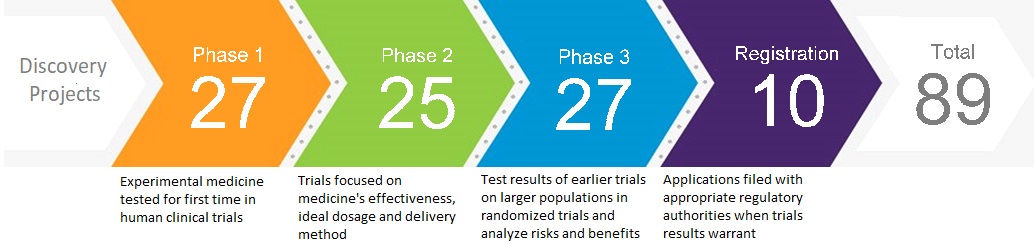
Development of a single compound is often pursued as part of multiple programs. While our drug candidates may or may not receive regulatory approval, new candidates entering clinical development phases are the foundation for future products. Information concerning several of our drug candidates in development, as well as supplemental filings for existing products, is set forth in the Product Developments section within MD&A. For information on the risks associated with R&D, see the Item 1A. Risk Factors—Research and Development section of this Form 10-K.
INTERNATIONAL OPERATIONS
Our operations are conducted globally, and we sell our products in over 125 countries. Emerging markets are an important component of our strategy for global leadership, and our commercial structure recognizes that the demographics and rising economic power of the fastest-growing emerging markets are becoming more closely aligned with the profile found within developed markets. Urbanization and the rise of the middle class in emerging markets provide potential growth opportunities for our products.
Revenues from operations outside the U.S. of $51.5 billion accounted for 63% of our total revenues in 2021. Revenues exceeded $500 million in each of 21, 8 and 10 countries outside the U.S. in 2021, 2020 and 2019, respectively, with the increase in the number of countries in 2021 primarily driven by Comirnaty/BNT162b2. By total revenues, Japan was our largest national market outside the U.S. in 2021. For a geographic breakdown of revenues, see the Analysis of the Consolidated Statements of Income—Revenues by Geography section within MD&A and the table captioned Geographic Information in Note 17B*.*

Our international operations are subject to risks inherent in carrying on business in other countries. For additional information, see the Item 1A. Risk Factors—Global Operations and Item 1. Business—Government Regulation and Price Constraints sections in this Form 10-K.
SALES AND MARKETING
Our prescription biopharmaceutical products are sold principally to wholesalers, but we also sell directly to retailers, hospitals, clinics, government agencies and pharmacies. In the U.S., we primarily sell our vaccines directly to the federal government, CDC, wholesalers, individual provider offices, retail pharmacies and integrated delivery systems. Outside the U.S., we primarily sell our vaccines to government and non-government institutions. Certain of these government contracts may be renegotiated or terminated at the discretion of a government entity. In addition, our contracts with government and supranational organizations for the sales of Comirnaty/BNT162b2 and Paxlovid, which are on a committed basis, represented a significant amount of revenues in 2021. We also seek to gain access for our products on formularies, which are lists of approved medicines available to members of healthcare programs or PBMs. PBMs use various benefit designs, such as tiered co-pays for formulary products, to drive utilization of products in preferred formulary positions. We may also work with payers on disease management programs that help to develop tools and materials to educate patients and physicians on key disease areas. For information on our significant customers, see Note 17C.
We promote our products to healthcare providers and patients. Through our marketing organizations, we explain the approved uses, benefits and risks of our products to healthcare providers and patients; MCOs that provide insurance coverage, such as hospitals, integrated delivery systems, PBMs and health plans; and employers and government agencies who hire MCOs to provide health benefits to their employees. In the U.S., we market directly to consumers through direct-to-consumer advertising that seeks to communicate the approved uses, benefits and risks of our products while motivating people to have meaningful conversations with their doctors. In addition, we sponsor general advertising to educate the public on disease awareness, prevention and wellness, important public health issues and our patient assistance programs.
| Pfizer Inc. | 2021 Form 10-K | 6 |
PATENTS AND OTHER INTELLECTUAL PROPERTY RIGHTS
Patents. We own or license a number of patents covering pharmaceutical and other products, their uses, formulations, and product manufacturing processes.
Patents for individual products extend for varying periods according to the date of patent filing or grant and the legal term of patents in the various countries where patent protection is obtained. The scope of protection afforded by a patent can vary from country to country and depends on the patent type, the scope of its patent claims and the availability of legal remedies. Patent term extensions (PTE) may be available in some countries to compensate for a loss of patent term due to delay in a product’s approval due to the regulatory requirements. One of the primary considerations in limiting our operations in some countries outside the U.S. is the lack of effective intellectual property protection for our products, although international and U.S. free trade agreements have included some improved global protection of intellectual property rights. For additional information, see the Item 1. Business—Government Regulation and Price Constraints section in this Form 10-K.
In various markets, a period of regulatory exclusivity may be provided for drugs or vaccines upon approval. The scope and term of such exclusivity will vary but, in general, the period will run concurrently with the term of any existing patent rights associated with the drug at the time of approval.
Based on current sales, and considering the competition with products sold by our competitors, the patent rights we consider most significant in relation to our business as a whole, together with the year in which the basic product patent expires, are as follows:
| Product | U.S. Basic Product Patent Expiration Year**(1)** | Major Europe Basic Product Patent Expiration Year**(1)** | Japan Basic Product Patent Expiration Year**(1)** | |||||||||||||||||
| Chantix/Champix | 2020(2) | 2021(2) | 2022 | |||||||||||||||||
| Sutent | 2021(3) | 2022(3) | 2024 | |||||||||||||||||
| Inlyta | 2025 | 2025 | 2025 | |||||||||||||||||
| Xeljanz | 2025 | 2028 (4) | 2025 | |||||||||||||||||
| Prevnar 13/Prevenar 13 | 2026 | (5) | 2029 | |||||||||||||||||
| Eliquis(6) | 2026 | 2026 | 2026 | |||||||||||||||||
| Ibrance | 2027 | 2028 | 2028 | |||||||||||||||||
| Xtandi(7) | 2027 | (7) | (7) | |||||||||||||||||
| Vyndaqel/Vyndamax/Vynmac | 2024 (2028 pending PTE) | 2026 | 2026/2029(8) | |||||||||||||||||
| Xalkori | 2029 | 2027 | 2028 | |||||||||||||||||
| Besponsa | 2030 | 2028 | 2028(4) | |||||||||||||||||
| Braftovi(9) | 2031 (2031 pending PTE) | (9) | (9) | |||||||||||||||||
| Mektovi(9) | 2031(10) | (9) | (9) | |||||||||||||||||
| Bavencio(11) | 2033 | 2032 | 2033 | |||||||||||||||||
| Lorbrena | 2033 | 2034 | 2036 | |||||||||||||||||
| Prevnar 20/Apexxnar | 2033 (2035 pending PTE) | 2033 | 2033(12) | |||||||||||||||||
| Cibinqo | 2034 | 2034(13) | 2034 (2038 pending PTE) | |||||||||||||||||
| Comirnaty | (14) | (14), (15) | (14) | |||||||||||||||||
| Paxlovid | (16) | (16) | (16) |
(1)Unless otherwise indicated, the years pertain to the basic product patent expiration, including granted PTEs, supplementary protection certificates (SPC) or pediatric exclusivity periods. SPCs are included when granted in three out of five major European markets (France, Germany, Italy, Spain and the U.K.). Noted in parentheses is the projected year of expiry of the earliest pending patent term extension in the U.S. or Japan and/or SPC application in Europe, the term of which, if granted, may be shorter than originally requested due to a number of factors. In some instances, there are later-expiring patents relating to our products which may or may not protect our product from generic or biosimilar competition after the expiration of the basic patent.
(2)The basic product patent for Chantix expired in the U.S. in November 2020 and in Europe in September 2021.
(3)The basic product patent for Sutent expired in the U.S. in August 2021 and in Europe in January 2022.
(4)Expiry is provided by regulatory exclusivity in this market.
(5)The Europe patent that covers the combination of the 13 serotype conjugates of Prevenar 13 was revoked following an opposition and has now been withdrawn. There are other Europe patents and pending applications covering the formulation, various aspects of the manufacturing process, and the combination of serotype conjugates of Prevenar 13 that remain in force.
(6)Eliquis was developed and is being commercialized in collaboration with BMS. For Eliquis in the U.S., two patents listed in the FDA Orange Book, the composition of matter patent claiming apixaban specifically and a formulation patent, were challenged by numerous generic companies and were the subject of patent infringement litigation. Prior to the resolution of the litigation in our favor on both challenged patents, we and BMS settled with a number of these generic companies (settled generic companies) while continuing to litigate against three remaining generic companies (remaining generic companies). As a result of the litigation, the remaining generic companies are not permitted to launch their products until the 2031 expiration date of the formulation patent. Under the terms of the settlement agreements, the permitted date of launch for the settled generic companies under these patents is April 1, 2028.
Both patents may be subject to subsequent challenges. While we cannot predict the outcome of any potential future litigation, these are the alternatives that might occur: (a) if both patents are upheld in future litigation, through appeal, the permitted date of launch for the settled generic companies under these patents would remain April 1, 2028; (b) if the formulation patent is held invalid or not infringed in future litigation, through appeal, the settled generic companies and any successful future litigant would be permitted to launch on November 21, 2026; or (c) if both patents are held invalid or not infringed in future litigation, through appeal, the settled generic companies and any successful future litigant could launch products immediately upon such an adverse decision.
Refer to Note 16A1 for more information.
| Pfizer Inc. | 2021 Form 10-K | 7 |
(7)Xtandi is being developed and commercialized in collaboration with Astellas, which has exclusive commercialization rights for Xtandi outside the U.S. Pfizer receives tiered royalties as a percentage of international Xtandi net sales.
(8)Vyndaqel (tafamidis meglumine) basic patent expiry in Japan is August 2026 for treatment of polyneuropathy. Vynmac (tafamidis) was approved in Japan for treatment of cardiomyopathy with regulatory exclusivity expiring March 2029.
(9)We have exclusive rights to Braftovi and Mektovi in the U.S. The Pierre Fabre Group has exclusive rights to commercialize both products in Europe and Ono Pharmaceutical Co., Ltd. has exclusive rights to commercialize both products in Japan. We receive royalties from The Pierre Fabre Group and Ono Pharmaceutical Co., Ltd. on sales of Braftovi and Mektovi outside the U.S.
(10)Mektovi U.S. expiry is provided by a method of use patent.
(11)Bavencio is being developed and commercialized in collaboration with Merck KGaA.
(12)Product not yet approved or authorized in this market.
(13)An SPC has been filed for Cibinqo in the U.K. with expected expiry in 2036 based on the September 2021 approval. Cibinqo was approved in other major European markets in December 2021.
(14)The basic product patent application for Comirnaty has been filed in these markets. If granted, a full term is expected in these markets. Comirnaty is being developed and commercialized in collaboration with BioNTech.
(15)Pfizer does not have co-promotion rights for Comirnaty in Germany.
(16)The basic product patent application for Paxlovid has been filed in these markets. If granted, a full term is expected in these markets.
Loss of Intellectual Property Rights. The loss, expiration or invalidation of intellectual property rights, patent litigation settlements with manufacturers and the expiration of co-promotion and licensing rights can have a material adverse effect on our revenues. Once patent protection has expired or has been lost prior to the expiration date as a result of a legal challenge, we typically lose exclusivity on these products, and generic and biosimilar pharmaceutical manufacturers generally produce identical or highly similar products and sell them for a lower price. The date at which generic or biosimilar competition commences may be different from the date that the patent or regulatory exclusivity expires. However, when generic or biosimilar competition does commence, the resulting price competition can substantially decrease our revenues for the impacted products, often in a very short period of time. Also, if one of our product-related patents is found to be invalid by judicial, court or regulatory or administrative proceedings, generic or biosimilar products could be introduced, resulting in the erosion of sales of our existing products.
We continue to vigorously defend our patent rights against infringement, and we will continue to support efforts that strengthen worldwide recognition of patent rights while taking necessary steps to help ensure appropriate patient access. For additional information, see the Item 1A. Risk Factors—Competitive Products, —Intellectual Property Protection and —Third-Party Intellectual Property Claims sections in this Form 10-K and Note 16A1.
Certain of our products have experienced patent-based expirations or loss of regulatory exclusivity in certain markets in the last few years, and we expect certain products to face increased generic competition over the next few years. For additional information on the impact of LOEs on our revenues, see the Analysis of the Consolidated Statements of Income––Revenues––Selected Product Discussion section within MD&A.
Trademarks. Our products are sold under brand-name and logo trademarks and trade dress. Registrations generally are for fixed, but renewable, terms and protection is provided in some countries for as long as the mark is used while in others, for as long as it is registered. Protecting our trademarks is of material importance to Pfizer.
COMPETITION
Our business is conducted in intensely competitive and often highly regulated markets. Many of our products face competition in the form of branded or generic drugs or biosimilars that treat similar diseases or indications. The principal forms of competition include efficacy, safety, ease of use and cost. Though the means of competition vary among our products, demonstrating the value of our products is a critical factor for success.
We compete with other companies that manufacture and sell products that treat or prevent diseases or indications similar to those treated or prevented by our major products. These competitors include other worldwide research-based biopharmaceutical companies, smaller research companies with more limited therapeutic focus and generic drug and biosimilar manufacturers. Our competitors also may devote substantial funds and resources to R&D and their successful R&D could result in erosion of the sales of our existing products and potential sales of products in development, as well as unanticipated product obsolescence. In addition, several of our competitors operate without large R&D expenses and make a regular practice of challenging our product patents before their expiration.
To address competitive trends we continually emphasize innovation, which is underscored by our multi-billion-dollar investment in R&D, as well as our business development transactions, both designed to result in a strong product pipeline. Our investment in research continues even after drug or vaccine approval as we seek to further demonstrate the value of our products for the conditions they treat or prevent, as well as potential new applications. We educate patients, physicians, payers and global health authorities on the benefits and risks of our medicines and vaccines, and seek to continually enhance the organizational effectiveness of our biopharmaceutical functions, including to accurately and ethically launch and market our products to our customers.
Operating conditions have also shifted as a result of increased global competitive pressures, industry regulation and cost containment. We continue to evaluate, adapt and improve our organization and business practices in an effort to better meet customer and public needs. We believe that we have taken an industry-leading role in evolving our approaches to U.S. direct-to-consumer advertising, interactions with, and payments to, healthcare professionals and medical education grants. We also continue to sponsor programs to address patient affordability and access barriers, as we strive to advance fundamental health system change through our support for better healthcare solutions.
Our vaccines may face competition, including from the introduction of alternative vaccines or “next-generation” vaccines prior to or after the expiration of their patents, which may adversely affect our future results.
Our biosimilars, which include biosimilars of certain inflammation & immunology and oncology biologic medicines, compete with branded products from competitors, as well as other generics and biosimilars manufacturers. We seek to maximize the opportunity to establish a “first-to-
| Pfizer Inc. | 2021 Form 10-K | 8 |
market” or early market position for our biosimilars to provide customers a lower-cost alternative immediately when available and also to potentially provide us with higher levels of sales and profitability until other competitors enter the market.
Generic Products. Generic pharmaceutical manufacturers pose one of the biggest competitive challenges to our branded small molecule products because they can market a competing version of our product after the expiration or loss of our patent and often charge much less. Several competitors regularly challenge our product patents before their expiration. Generic competitors often operate without large R&D expenses, as well as without costs of conveying medical information about products to the medical community. In addition, the FDA approval process exempts generics from costly and time-consuming clinical trials to demonstrate their safety and efficacy, allowing generic manufacturers to rely on the safety and efficacy data of the innovator product. In China, for example, we expect to continue to face intensified competition by certain generic manufacturers in 2022 and beyond, which may result in price cuts and volume loss of some of our products. In addition, generic versions of competitors’ branded products may also compete with our products.
MCOs that focus primarily on the immediate cost of drugs often favor generics over brand-name drugs. Many governments also encourage the use of generics as alternatives to brand-name drugs in their healthcare programs, including Medicaid in the U.S., and U.S. laws generally allow, and in some cases require, pharmacists to substitute generic drugs for brand-name drugs. In a small subset of states, prescribing physicians are able to expressly prevent such substitution.
Biosimilars. Certain of our biologic products, including Enbrel (we market Enbrel outside the U.S. and Canada), already face, or may face in the future, competition from biosimilars (also referred to as follow-on biologics). Biosimilars are versions of biologic medicines that have been developed and proven to be highly similar to the original biologic in terms of safety and efficacy and that have no clinically meaningful differences in safety, purity or potency. Biosimilars have the potential to offer high-quality, lower-cost alternatives to innovative biologic medicines. In the U.S., biosimilars referencing innovative biologic products are approved under the U.S. Public Health Service Act.
PRICING PRESSURES AND MANAGED CARE ORGANIZATIONS
Commercial Pricing Pressures. Pricing and access pressures in the commercial sector continue to be significant. Overall, there is increasing pressure on U.S. providers to deliver healthcare at a lower cost and to ensure that those expenditures deliver demonstrated value in terms of health outcomes. Many employers have adopted high deductible health plans, which can increase out-of-pocket costs for medicines. This trend is likely to continue. Private third-party payers, such as health plans, increasingly challenge pharmaceutical product pricing, which could result in lower prices, lower reimbursement rates and a reduction in demand for our products. Pricing pressures also may occur as a result of highly competitive insurance markets. Healthcare provider purchasers, directly or through group purchasing organizations, are seeking enhanced discounts or implementing more rigorous bidding or purchasing review processes.
Longer term, we foresee a shift in focus away from fee-for-service payments towards outcomes-based payments and risk-sharing arrangements that reward providers for cost reductions and improved patient outcomes. These new payment models can, at times, lead to lower prices for, and restricted access to, new medicines. At the same time, these models can also promote utilization of drugs by encouraging physicians to screen and diagnose and consider drugs as a means of forestalling more costly medical interventions.
In light of the COVID-19 pandemic and related large-scale healthcare disruptions, we expect value-based payment models may have reduced participation if the incentives to participate are reduced or eliminated. Financially weakened hospitals may weigh their ability to take on the financial risk of downside models. In contrast, providers in more advanced value-based models, such as full capitation, a fixed amount paid in advance per patient per unit of time-period, generally found their revenues remained steady during the pandemic, which may ultimately encourage the growth of such models.
We believe medicines and vaccines are the most efficient and effective use of healthcare dollars based on the value they deliver to the overall healthcare system. We work with law makers and advocate for solutions that effectively improve patient health outcomes, lower costs to the healthcare system, and help ensure access to medicines and vaccines within an efficient and affordable healthcare system. This includes assessing our go-to market model to address patient affordability challenges. We have engaged with major payors and the U.S. government to explore opportunities to improve access and reimbursement in an effort to drive pro-patient policies. In addition, in response to the evolving U.S. and global healthcare spending landscape, we work with health authorities, health technology assessment and quality measurement bodies and major U.S. payers throughout the product-development process to better understand how these entities value our compounds and products. Further, we are developing stronger internal capabilities focused on demonstrating the value of the medicines and vaccines that we discover or develop, register and manufacture, by recognizing patterns of usage of our medicines and vaccines and competitor medicines and vaccines along with patterns of healthcare costs.
For information on government pricing pressures, see the Item 1. Business—Government Regulation and Price Constraints and Item 1A. Risk Factors—Pricing and Reimbursement sections in this Form 10-K.
Managed Care Organizations. The evolution of managed care in the U.S. has been a major factor in the competitiveness of the healthcare marketplace. Approximately 302 million people in the U.S. now have some form of health insurance coverage, and the marketing of prescription drugs and vaccines to both consumers and the entities that manage coverage in the U.S. continues to grow in importance. In particular, the influence of MCOs has increased in recent years due to the growing number of patients receiving coverage through MCOs. At the same time, consolidation in the MCO industry has resulted in fewer, even larger MCOs, which enhances those MCOs’ ability to negotiate pricing and increases their importance to our business. Since MCOs seek to contain and reduce healthcare expenditures, their growing influence has increased pressure on drug prices as well as revenues.
MCOs typically negotiate prices with pharmaceutical providers by using formularies (which are lists of approved medicines available to MCO members), clinical protocols (which require prior authorization for a branded product if a generic product is available or require the patient to first fail on one or more generic products before permitting access to a branded medicine), volume purchasing, long-term contracts and their ability to influence volume and market share of prescription drugs. In addition, by placing branded medicines on higher-tier or non-preferred status in their formularies, MCOs transfer a portion of the cost to the patient, resulting in significant patient out-of-pocket expenses. This financial disincentive is a tool for MCOs to manage drug costs and channel patients to medicines preferred by the MCOs. The ACA has accelerated payment reform by distributing risk across MCOs and other stakeholders in care delivery with the intent of improving quality while reducing costs, which creates
| Pfizer Inc. | 2021 Form 10-K | 9 |
pressure on MCOs to tie reimbursement to defined outcomes. We are closely monitoring these newer approaches and developing appropriate strategies to respond to them.
The breadth of the products covered by formularies can vary considerably from one MCO to another, and many formularies include alternative and competitive products for treatment of particular medical problems. MCOs also emphasize primary and preventive care, out-patient treatment and procedures performed at doctors’ offices and clinics as ways to manage costs. Hospitalization and surgery, typically the most expensive forms of treatment, are carefully managed, and drugs that can reduce the need for hospitalization, professional therapy or surgery may become favored first-line treatments for certain diseases.
Exclusion of a product from a formulary or other MCO-implemented restrictions can significantly impact drug usage in the MCO patient population and beyond. Consequently, pharmaceutical companies compete to gain access to formularies for their products, typically on the basis of unique product features, such as greater efficacy, better patient ease of use, or fewer side effects, as well as the overall cost of the therapy. We have been generally, although not universally, successful in having our major products included on MCO formularies. However, increasingly our branded products are being placed on the higher tiers or in a non-preferred status. For additional information, see the Item 1A. Risk Factors—Managed Care Trends section in this Form 10-K.
RAW MATERIALS
We procure raw materials essential to our business from numerous suppliers worldwide. In general, these materials have been available in sufficient quantities to support our demand and in many cases are available from multiple suppliers. No significant impact to our operations due to the availability of raw materials is currently anticipated in 2022. However, we are seeing an increase in overall demand in the industry for certain components and raw materials with the potential to constrain available supply, which could have a future impact on our business. We are continuing to monitor and implement mitigation strategies in an effort to reduce any potential risk or impact, including active supplier management, qualification of additional suppliers and advanced purchasing to the extent possible.
GOVERNMENT REGULATION AND PRICE CONSTRAINTS
We are subject to extensive regulation by government authorities in the countries in which we do business. This includes laws and regulations governing the operations of biopharmaceutical companies, such as the approval, manufacturing and marketing of products, pricing (including discounts and rebates) and health information privacy, among others. These laws and regulations may require administrative guidance for implementation, and a failure to comply could subject us to legal and/or administrative actions. Enforcement measures may include substantial fines and/or penalties, orders to stop non-compliant activities, criminal charges, warning letters, product recalls or seizures, delays in product approvals, exclusion from participation in government programs or contracts as well as limitations on conducting business in applicable jurisdictions, and could result in harm to our reputation and business. For additional information, see Note 16A. Compliance with these laws and regulations may be costly, and may require significant technical expertise and capital investment to ensure compliance. While capital expenditures or operating costs for compliance with government regulations cannot be predicted with certainty, we do not currently anticipate they will have a material effect on our capital expenditures or competitive position.
In the United States
Drug and Biologic Regulation. The FDA, pursuant to the FFDCA, the Public Health Service Act and other federal statutes and regulations, extensively regulates pre- and post-marketing activities related to our biopharmaceutical products. The regulations govern areas such as the safety and efficacy of medicines and vaccines, clinical trials, advertising and promotion, quality control, manufacturing, labeling, distribution, post-marketing safety surveillance and reporting, and record keeping. Other U.S. federal agencies, including the DEA, also regulate certain of our products and activities.
For a biopharmaceutical company to market a drug or a biologic product, including vaccines, in the U.S., the FDA must evaluate whether the product is safe and effective for its intended use. If the FDA determines that the drug or biologic is safe and effective, the FDA will approve the product’s NDA or BLA (or supplemental NDA or supplemental BLA), as appropriate.
A drug or biologic may be subject to postmarketing commitments, which are studies or clinical trials that the product sponsor agrees to conduct, or postmarketing requirements, which are studies or clinical trials that are required as a condition of approval. In addition, we are also required to report adverse events and comply with cGMPs (the FDA regulations that govern all aspects of manufacturing quality for pharmaceuticals) and the Drug Supply Chain Security Act (the law that, among other things, sets forth requirements related to product tracing, product identifiers and verification for manufacturers, wholesale distributors, repackagers and dispensers to facilitate the tracing of product through the pharmaceutical distribution supply chain), as well as advertising and promotion regulations. For additional information, see the Item 1A. Risk Factors—Development, Regulatory Approval and Marketing of Products and —Post-Authorization/Approval Data sections in this Form 10-K.
In the context of public health emergencies, like the COVID-19 pandemic, we may apply to the FDA for an EUA, which if granted, allows for the distribution and use of our products during the declared emergency, in accordance with the conditions set forth in the EUA, unless the EUA is otherwise terminated by the government. Although the criteria for an EUA differ from the criteria for approval of an NDA or BLA, EUAs nevertheless require the development and submission of data to satisfy the relevant FDA standards, and a number of ongoing obligations. The FDA generally expects EUA holders to work toward submission of full applications, such as a BLA or an NDA, as soon as possible.
Biosimilar Regulation. The FDA is responsible for approval of biosimilars. Innovator biologics are entitled to 12 years of market exclusivity by statute, and biosimilars applications may not be submitted until four years after the approval of the reference innovator biologic.
Sales and Marketing Regulations. Our marketing practices are subject to state laws, as well as federal laws, such as the Anti-Kickback Statute and False Claims Act, intended to prevent fraud and abuse in the healthcare industry. The Anti-Kickback Statute generally prohibits corruptly soliciting, offering, receiving, or paying anything of value to generate business. The False Claims Act generally prohibits anyone from knowingly and willingly presenting, or causing to be presented, any claims for payment for goods or services, including to government payers, such as Medicare and Medicaid, that are false or fraudulent and generally treat claims generated through kickbacks as false or fraudulent. The federal government and states also regulate sales and marketing activities and financial interactions between manufacturers and healthcare providers, requiring disclosure to government authorities and the public of such interactions, and the adoption of compliance standards or programs. State
| Pfizer Inc. | 2021 Form 10-K | 10 |
attorneys general have also taken action to regulate the marketing of prescription drugs under state consumer protection and false advertising laws.
Pricing, Reimbursement and Access Regulations. Pricing and reimbursement for our products depend in part on government regulation. Any significant efforts at the federal or state levels to reform the healthcare system by changing the way healthcare is provided or funded or more directly impose controls on drug pricing, government reimbursement, and access to medicines and vaccines on public and private insurance plans could have a material impact on us.
In addition, in order to have our products covered by Medicaid, we must offer discounts or rebates on purchases of pharmaceutical products under various federal and state programs. We also must report specific prices to government agencies. The calculations necessary to determine the prices reported are complex and the failure to do so accurately may expose us to enforcement measures. See the discussion regarding rebates in the Analysis of the Consolidated Statements of Income—Revenues by Geography section within MD&A and Note 1H.
Government and private payers routinely seek to manage utilization and control the costs of our products, and there is considerable public and government scrutiny of pharmaceutical pricing. Efforts by states and the federal government to regulate prices or payment for pharmaceutical products, including proposed actions to facilitate drug importation, limit reimbursement to lower international reference prices, require deep discounts, and require manufacturers to report and make public price increases and sometimes a written justification for the increase, could adversely affect our business if implemented. We expect to see continued focus by Congress and the Biden Administration on regulating pricing which could result in legislative and regulatory changes designed to control costs. For example, there is proposed legislation that, if enacted, would allow Medicare to negotiate prices for certain prescription drugs, as well as require that penalties be paid by manufacturers who raise drug prices faster than inflation. In addition, changes to the Medicaid program or the federal 340B drug pricing program, which imposes ceilings on prices that drug manufacturers can charge for medications sold to certain health care facilities, could have a material impact on our business. For example, certain changes issued in a final rule by the Centers for Medicare & Medicaid Services (CMS) in December 2020 to the Medicaid Drug Rebate Program could increase our Medicaid rebate obligations and increase the discounts we extend to 340B covered entities. Additional changes to the 340B program are undergoing review and their status is unclear. For additional information, see the Item 1A. Risk Factors—Pricing and Reimbursement section in this Form 10-K.
A majority of states use preferred drug lists to manage access to pharmaceutical products under Medicaid, including some of our products. For example, access to our products under the Medicaid managed care programs typically is determined by the health plans with which state Medicaid agencies contract to provide services to beneficiaries. States seek to control healthcare costs related to Medicaid and other state healthcare programs, including the implementation of supplemental rebate agreements under the Medicaid drug rebate program tied to patient outcomes. States’ budgets were impacted less by the COVID-19 pandemic than expected and are generally growing. We expect states to seek cost cutting within Medicaid, which may focus on managed care capitation payments and/or formulary management. States may also advance drug-pricing initiatives with a focus on affordability review boards, financial penalties related to pricing practices, manufacturer pricing and reporting requirements, as well as regulation of prescription drug assistance or copay accumulator programs in the commercial market. Payers may promote generic drugs and biosimilars more aggressively to generate savings and attempt to stimulate additional price competition. In addition, we expect that consolidation and integration among pharmacy chains, wholesalers and PBMs will increase pricing pressures in the industry. For additional information, see the Item 1A. Risk Factors—Managed Care Trends section in this Form 10-K.
Anti-Corruption. The FCPA prohibits U.S. corporations and their representatives from offering, promising, authorizing or making payments to any foreign government official, government staff member, political party or political candidate to obtain or retain business abroad. The scope of the FCPA includes interactions with certain healthcare professionals in many countries. Other countries have enacted similar anti-corruption laws and/or regulations.
Data Privacy. The collection and use of personal data by us is increasingly important to our business and is subject to various federal and state privacy and data security laws and regulations, including oversight by various regulatory and other governmental bodies. Such laws and regulations continue to evolve and are increasingly being enforced vigorously.
Outside the United States
New Drug Approvals. In the EU, the EMA conducts the scientific evaluation, supervision and safety monitoring of our innovative medicinal products, and employs a centralized procedure for approval for the EU and the European Economic Area (EEA) countries. In the U.K., the Medicines and Healthcare products Regulatory Agency is the sole regulatory authority. In Japan, the PMDA is involved in a wide range of regulatory activities, including clinical studies, approvals, post-marketing reviews and pharmaceutical safety. In China, the NMPA is the primary regulatory authority for approving and supervising medicines. Health authorities in many middle- and lower-income countries require marketing approval by a recognized regulatory authority (e.g., the FDA or EMA) before they begin to conduct their application review process and/or issue their final approval.
Pharmacovigilance. In the EU, the EMA’s PRAC is responsible for reviewing and making recommendations on product safety issues. Outside developed markets, pharmacovigilance requirements vary and are generally not as extensive, but there is a trend toward increasing regulation.
Pricing and Reimbursement. Certain governments, including in the different EU member states, the U.K., Japan, China, Canada and South Korea, provide healthcare at low-to-zero direct cost to consumers at the point of care and have significant power to regulate pharmaceutical prices or patient reimbursement levels to control costs for the government-sponsored healthcare system, particularly under recent global financing pressures. Governments globally may use a variety of measures to control costs, including proposing price reform or legislation, cross country collaboration and procurement, price cuts, mandatory rebates, health technology assessments, forced localization as a condition of market access, “international reference pricing” (i.e., the practice of a country linking its regulated medicine prices to those of other countries), QCE processes and VBP. In addition, the international patchwork of price regulation, differing economic conditions and incomplete value assessments across countries has led to varying access to quality medicines in many markets and some third-party trade in our products between countries. Several important multilateral organizations such as the WHO are increasing scrutiny of international pharmaceutical pricing through policy recommendations and sponsorship of programs, such as “The Oslo Medicines Initiative” which is planning a high-level meeting in 2022 to agree on WHO Europe Member States’ commitments to ensure “affordability for high-priced medicines”. In November 2020, the EC published its new Pharmaceutical Strategy for Europe which envisions a broad range of new initiatives and legislation including a significant focus on affordability and access to medicines.
| Pfizer Inc. | 2021 Form 10-K | 11 |
In China, pricing pressures have increased in recent years because of an overall focus on healthcare cost containment with government officials emphasizing improved health outcomes, healthcare reform and decreased drug prices as key indicators of progress towards reform. For patented products, drug prices have decreased dramatically as a result of adding innovative drugs (including oncology medicines) to the National Reimbursement Drug List (NRDL). In the off-patent space, numerous local generics have been officially deemed bioequivalent under a QCE process that required domestically-manufactured generic drugs to pass a test to assess their bioequivalence to a qualified reference drug (typically the originator drug). A centralized VBP program, a tender process where a certain portion of included molecule volumes are guaranteed to tender winners and is intended to contain healthcare costs by driving utilization of generics that have passed QCE, has resulted in dramatic price cuts for off-patent medicines. Furthermore, the Chinese government has discussed moving toward efforts to unify the reimbursement price between QCE-approved generic medicines and the applicable original medicines, which the government currently plans to implement within the next few years. We and most off-patent originators have mostly not been successful in the VBP bidding process. The government has indicated that additional post-LOE drugs could be subjected to VBP qualification in future rounds. While certain details of future QCE expansion have been made available, we are unable to determine the impact on our business and financial condition until the initiation of these future rounds.
Healthcare Provider Transparency and Disclosures. Several countries have implemented laws requiring (or industry trade associations have recommended) disclosure of transfers of value made by pharmaceutical companies to healthcare providers and/or healthcare organizations, such as academic teaching hospitals.
Intellectual Property. Reliable patent protection and enforcement around the world are among the key factors we consider for continued business and R&D investment. The WTO Agreement on Trade Related Aspects of Intellectual Property Rights (WTO-TRIPS) requires participant countries to provide patent and other intellectual property-related protection for pharmaceutical products by law, with an exemption provided for least-developed countries until 2033. While some countries have made improvements, we still face patent grant, enforcement and other intellectual property challenges in many countries.
While the global intellectual property policy environment has generally improved following WTO-TRIPS and bilateral/multilateral trade agreements, our growth and ability to bring new product innovation to patients depends on further progress in intellectual property protection. In certain developed international markets, governments maintain relatively effective intellectual property policies. However, in the EU, pursuant to the ongoing review of pharmaceutical intellectual property and regulatory incentives, legislative change may result in the reduction of certain protections. In several emerging market countries, governments have used intellectual property policies as a tool to force innovators to accept less than fair value for medicines, as well as to advance industrial policy and localization goals. Discussions are ongoing at the WTO that seek to limit intellectual property protections within the context of the COVID-19 pandemic response.
Considerable political and economic pressure has weakened current intellectual property protection in some countries and has led to policies such as more restrictive standards for obtaining patents and more difficult procedures for patenting biopharmaceutical inventions, restrictions on patenting certain types of inventions, revocation of patents, laws or regulations that promote or provide broad discretion to issue a compulsory license, weak intellectual property enforcement and failure to implement effective regulatory data protection.
Our industry advocacy efforts focus on seeking a fair and transparent business environment for foreign manufacturers, underscoring the importance of strong intellectual property systems for local innovative industries and helping improve patients’ access to innovative medicines and vaccines.
Data Privacy. Outside of the U.S., many countries have privacy and data security laws and regulations concerning the collection and use of personal data, including but not limited to, the EU’s General Data Protection Regulations and China’s Personal Information Protection Law. The legislative and regulatory framework for privacy and data protection issues worldwide is also rapidly evolving as countries continue to adopt new and updated privacy and data security laws. The interpretation and application of such laws and regulations remain uncertain and continue to evolve. In addition, enforcement of such laws and regulations is increasing.
ENVIRONMENTAL MATTERS
Our operations are affected by national, state and/or local environmental laws. We have made, and intend to continue to make, the expenditures necessary for compliance with applicable laws. We also are cleaning up environmental contamination from past industrial activity at certain sites. We incurred capital and operational expenditures in 2021 for environmental compliance purposes and for the clean-up of certain past industrial activity as follows: $55 million in environment-related capital expenditures and $152 million in other environment-related expenses.
While capital expenditures or operating costs for environmental compliance cannot be predicted with certainty, we do not currently anticipate they will have a material effect on our capital expenditures or competitive position. See also Note 16A3.
Climate change presents risks to our operations, including the potential for additional regulatory requirements and associated costs, the potential for more frequent and severe weather events, and water availability challenges that may impact our facilities and those of our suppliers. We cannot provide assurance that physical risks to our facilities or supply chain due to climate change will not occur in the future. We periodically review our vulnerability to potential weather-related risks and other natural disasters and update our assessments accordingly. Based on our reviews, we do not believe these potential risks are material to our operations at this time.
HUMAN CAPITAL
Our purpose is: Breakthroughs that change patients’ lives. These breakthroughs are delivered through the relentless collaboration of our talented workforce. As of December 31, 2021, we employed approximately 79,000 people worldwide, with approximately 29,000 based in the U.S. Women compose approximately 49% of our global workforce, and approximately 34% of our U.S.-based employees are individuals with ethnically diverse backgrounds.
Our continued success links directly to the commitment, engagement and performance of our employees. It is important that we not only attract and retain the best and brightest diverse talent, but also ensure they remain engaged and can thrive in an environment that is committed to helping them grow, succeed and contribute directly to achieving our purpose. As part of these efforts, we strive for an inclusive and empowering work environment, adopting practices to simplify processes and remove needless complexity, rewarding both performance and leadership skills,
| Pfizer Inc. | 2021 Form 10-K | 12 |
fostering career growth and internal mobility and offering competitive compensation and benefits programs that encourage mental and physical well being.
Core Values. To fully realize Pfizer’s purpose we have established a clear set of goals regarding what we need to achieve for patients and how we will go about achieving them. The “how” is represented by four simple, powerful company values – Courage, Excellence, Equity and Joy. Each value defines our company and our culture:
-
Courage: Breakthroughs start by challenging convention – especially in the face of uncertainty or adversity. This happens when we think big, speak up and are decisive.
-
Excellence: We can only change patients’ lives when we perform at our best together. This happens when we focus on what matters, agree who does what and measure outcomes.
-
Equity: Every person deserves to be seen, heard and cared for. This happens when we are inclusive, act with integrity and reduce health care disparities.
-
Joy: We give ourselves to our work, and it also gives to us. We find joy when we take pride, recognize one another and have fun.
Diversity, Equity and Inclusion. At Pfizer, every person deserves to be seen, heard and cared for, and we work to further this goal by bringing together people with different backgrounds, perspectives and experiences. Our commitments to equity consist of specific actions to help foster a more inclusive environment within Pfizer, including, among others: (i) building a more inclusive colleague experience through representation and meaningful connections; (ii) advancing equitable health outcomes by evaluating our work through the lens of the communities we serve, (iii) providing resources on allyship and the science behind inclusion to support all colleagues in having courageous conversations about equity, race and the avoidance of bias; (iv) working to help transform society with external diversity, equity and inclusion partnerships, including deploying capital, engaging diverse suppliers and amplifying equity initiatives; and (v) working to help ensure demographics of clinical trials correlate to those of the countries where trials are taking place.
Colleague Engagement. To attract, develop and inspire the brightest talent, we aim to support our colleagues by engaging and partnering with them to help ensure they feel they are part of a community. We understand the importance of continuously listening and responding to colleague feedback and our annual engagement survey, Pfizer Pulse, provides a forum for our colleagues to give structured feedback about their colleague experience. Through this survey, we measure and track key areas of the overall colleague experience and equip leaders with actionable insights for discussion and follow up. Regular topics in the survey include: (i) employee engagement, such as colleagues’ commitment to and advocacy for Pfizer; (ii) purpose, including how colleagues’ work connects with our purpose; (iii) inclusion, such as having a climate in which diverse perspectives are valued; and (iv) growth, including the ability for colleagues to gain new experiences that align with their individual career goals.
In 2021, we continued to maintain low turnover rates relative to the pharmaceutical industry and in our 2021 Pfizer Pulse survey, on average, 90% of colleagues reported feeling engaged, as measured by pride in working at Pfizer, willingness to recommend Pfizer as a great place to work and intent to stay. In addition, 92% of the colleagues agreed that their daily work contributes to our purpose. While we are slightly behind in our Bold Moves goal to create room for meaningful work, we continue to make progress on simplifying processes and removing needless complexity. We have committed to tangible actions and principles that incorporate the similar behaviors and mindset we used to develop a COVID-19 vaccine in an accelerated timeline. These behaviors include working with urgency and overcoming bureaucracy, as well as believing in our purpose, trusting in one another and being transparent.
Performance, Leadership and Growth. We are committed to helping our colleagues reach their full potential by rewarding both their performance and leadership skills and by providing opportunities for growth and development. Our performance management approach—called Performance and Leadership Insights—is based on six-month semesters during which our colleagues and their managers set goals, receive feedback and meet to discuss performance. These conversations are meant to help colleagues grow and develop by evaluating performance (what the colleague achieved, measured by outcomes), leadership (how they achieved it, taking into account Pfizer’s values of courage, excellence, equity and joy), and identifying areas of growth that help move colleagues towards fulfilling their career goals and their potential. Our commitments to colleague development consist of specific actions to encourage non-linear career growth paths for all colleagues, including (i) a common language around growth—along with a guiding framework—to help colleagues identify their next best growth experience, (ii) tools and resources to encourage growth conversations and offer transparency on the sources of growth available, and (iii) a variety of programs including mentoring, job rotations, experiential project roles, skill-based volunteering and learning resources focused on various topics, including leadership and management skills and industry- and job-specific learning, as well as general business, manufacturing, finance and technology skills.
Health, Safety and Well-Being. Protecting the health, safety and well-being of colleagues and contingent workers, all of whom are essential to delivering our business objectives, is an integral part of how we operate. Our Global Environment, Health & Safety (EHS) Policy and supporting standards outline our approach to assessment, evaluation, elimination, and mitigation of EHS risks across our operations. COVID-19 pandemic preparedness and response continues to be a key focus to help ensure on-site workers at our commercial, manufacturing and research sites remain safe and healthy while continuing to support work from home arrangements for colleagues who can work remotely. As part of these efforts, we (i) implemented a vaccination program for colleagues and their families in the U.S. and 23 other countries where employer vaccination programs were possible, (ii) partnered with and launched Thrive Global, a wellness and organizational change initiative with a primary focus on colleague mental health and wellness, and (iii) hosted educational webinars and information sessions on mental health and well-being, nutrition and work life balance through our employee assistance program provider.
Pay Equity. Our commitment to pay equity for all colleagues is based in our value of Equity and our intention to continue to build a diverse and inclusive workforce. We are committed to equitable pay practices at Pfizer for employees based on role, education, experience, performance, and location and we conduct and report publicly on pay equity on an annual basis.
Additional information regarding our human capital programs and initiatives is available in the “About*—*Careers” section of Pfizer’s website and our ESG Report.
Previous: Cover and table of contents · Next: Item 1A. RISK FACTORS