 filings.tools
Item 1. BUSINESS
113K characters. Original on sec.gov · Markdown
Item 1. BUSINESS
Overview
We are a medical device company primarily focused on the design, development and commercialization of continuous glucose monitoring, or CGM, systems for use by people with diabetes and by healthcare providers. We received approval from the United States (U.S.) Food and Drug Administration, or FDA, and commercialized our first product in 2006. We launched our latest generation system, the DexCom G6® integrated Continuous Glucose Monitoring System, or G6, in 2018. Unless the context requires otherwise, the terms “we,” “us,” “our,” the “company,” or “DexCom” refer to DexCom, Inc. and its subsidiaries.
Products
DexCom G6®
In March 2018, we obtained marketing authorization from the FDA for the G6 via the de novo process. The G6 is the first type of continuous glucose monitoring system permitted by the FDA to be used as part of an integrated system with other compatible medical devices and electronic interfaces, which may include automated insulin dosing systems, insulin pumps, blood glucose meters or other electronic devices used for diabetes management. G6 and substantially equivalent devices of this generic type that may later receive marketing authorization are referred to as integrated continuous glucose monitoring systems or iCGMs, and have been classified as Class II devices. Along with this classification, the FDA established criteria, called special controls, which outline requirements for assuring CGM accuracy, reliability and clinical relevance, and which also describe the type of studies and data required to demonstrate acceptable CGM performance.
The G6 is designed to allow our transmitter to run an algorithm to generate a glucose value and to communicate directly to a patient’s compatible mobile device, including iPhone®, iPod touch®, iPad®, and certain Android® mobile devices. A patient’s glucose data can also be displayed on wearable devices, like the Apple Watch® and Wear OS by Google devices. The G6 transmitter has a labeled useful life of three months. Data from the G6 can be integrated with DexCom CLARITY®, our cloud-based reporting software, for personalized, easy-to-understand analysis of trends that may improve diabetes management. In June 2018, we received Conformité Européenne Marking, or CE Mark, approval for the G6, which allows us to market the system in the European Union and the countries in Asia and Latin America that recognize the CE Mark, as well as New Zealand (subject to compliance with certain local administrative requirements) though certain countries may require additional marketing authorizations (for example, the inclusion of medical devices on the Australian Register of Therapeutic Goods in Australia).
The sensor is inserted by the user and is intended to be used continuously for up to ten days, after which it may be replaced with a new disposable sensor. Our transmitter is reusable until it reaches the end of its use life. Our receiver is also reusable. As we establish an installed base of customers using our products, we expect to generate an increasing portion of our revenues through recurring sales of our disposable sensors.
The G6 carries forward important features of prior generation DexCom CGM systems:
| • | Continuous glucose readings. Automatically sends glucose readings to a DexCom receiver or compatible mobile device every five minutes. |
| • | Mobile app and sharing. Compatibility with mobile device applications allows for sharing glucose information with up to five people for added support. |
| • | Customizable alarms and alerts. Personalized alert schedule immediately warns the user of pending dangerous high and low blood sugars. |
| • | Third-party reimbursement. In the United States, the G6 is covered by those commercial insurers that reimburse for the G5 Mobile, as well as Medicare. |
The G6 also has a number of new or improved features compared to our prior generation devices:
| • | Finger stick elimination. No finger sticks are needed for calibration or diabetes treatment decisions, consistent with the instructions for use. |
| • | Easy sensor application. Complete redesign of the sensor applicator allows for one-touch, simple insertion. |
| • | Discreet and low profile. A redesigned transmitter with a 28% lower profile than the previous generation DexCom CGM makes the device comfortable and easy to wear under clothing. |
| • | Medication blocking. New feature allows for more accurate glucose readings without interference from medications taken at typical indication doses, such as acetaminophen. |
| • | Predictive low alert. New alert feature intended to predict hypoglycemia before it hits to help avoid dangerous low blood sugar events. |
| • | Extended 10-day sensor. 10-day sensor allows for 43% longer wear than previous generation DexCom CGMs. |
Except with respect to the foregoing, the G6 is equivalent to our prior generation CGM systems in its technical capabilities and its indications, except that since the G6 is classified by the FDA as a Class II device, it is subject to special controls and modifications of or revisions to the device may be made under the 510(k) process.
DexCom G5® Mobile
In August 2015, we received approval from the FDA for the DexCom G5 Mobile Continuous Glucose Monitoring System, also referred to as the G5 Mobile. The G5 Mobile is designed to allow our transmitter to run the Software 505 algorithm, and to communicate directly to a patient’s compatible mobile device, including iPhone, iPod touch, iPad, and certain Android mobile devices. The G5 Mobile transmitter has a labeled useful life of three months. Data from the G5 Mobile can be integrated with DexCom CLARITY. In September 2015, we launched the G5 Mobile in certain countries in Europe.
Similar to the G6, the disposable sensor is inserted by the user and is intended to be used continuously for up to seven days, after which it may be replaced with a new sensor. The related transmitter is reusable until it reaches the end of its use life, and the related receiver is also reusable. In December 2016, the FDA approved the G5 Mobile as the first CGM system in the United States to have a non-adjunctive indication. The non-adjunctive indication expands the lawfully permitted use of the G5 Mobile as a replacement to finger stick glucose testing for diabetes treatment decisions. With the new label indication, the G5 Mobile only requires two finger sticks per day for calibration. In the countries and regions outside of the United States that recognize the CE Mark, as well as the United States and Canada, the G5 Mobile also does not require confirmatory finger sticks when making treatment decisions, although a minimum of two finger sticks a day remain necessary for calibration. Approval of the non-adjunctive indication also was an important and necessary step in enabling people with Medicare to access CGM.
Except with respect to the foregoing, the G5 Mobile is functionally equivalent to our earlier generation CGM systems in its technical capabilities and its regulatory requirements and indications.
DexCom G4® PLATINUM
The DexCom G4 PLATINUM CGM system, or G4 PLATINUM, replaced our DexCom SEVEN PLUS system beginning in 2012, when it was approved for up to seven days of continuous use by adults with diabetes. Since 2012, we have marketed the G4 PLATINUM under a CE Mark in the European Union, the countries in Asia and Latin America that recognize the CE Mark, New Zealand and Australia, and in the United States with approval from the FDA. We received approvals for a pediatric indication under the CE Mark in February 2013 and from the FDA in February 2014, enabling us to market and sell this system to persons two years old and older who have diabetes. In June 2014, we received approval
from the FDA for an expanded indication for the G4 PLATINUM for professional use, which allows healthcare professionals to purchase the G4 PLATINUM system for use with multiple patients. Healthcare professionals can use the insights gained from a G4 PLATINUM professional session to adjust therapy and to educate and motivate patients to modify their behavior after viewing the effects that specific foods, exercise, stress and medications have on their glucose levels. In October 2014, we launched our Software 505 algorithm for the G4 PLATINUM, an algorithm which enabled our systems to achieve a single digit MARD – a measure of the accuracy of continuous glucose monitoring.
DexCom Share®
In 2015, we received approval from the FDA for the G4 PLATINUM with DexCom Share, or Share, and began commercializing this product in the United States in the first quarter of 2015 using a secure wireless connection between a patient’s G4 PLATINUM receiver and an app. We now offer this feature through the G6 and the G5 Mobile apps as well as the Share2 app, which works with the G4 PLATINUM receiver with Share. The Share remote monitoring system uses an app on the patient’s iPhone, iPod touch, iPad or Android mobile device to transmit glucose information to the cloud and then to apps on the mobile devices of up to five designated recipients, or “followers,” who can remotely monitor a patient’s glucose information and receive alert notifications anywhere they have an Internet or cellular connection. A patient’s glucose data can also be displayed on a patient’s or follower’s wearable device, such as the Apple Watch and Wear OS by Google devices, when used in conjunction with the patient’s or follower’s iPhone or Android mobile device.
Data and Insulin Delivery Collaborations
We have entered into multiple collaboration agreements that leverage our technology platform to integrate our continuous glucose monitoring products with insulin delivery systems. The general purpose of these development and commercial relationships is to integrate our technology into the insulin pump or pen product offerings of the respective partner, enabling the partner’s insulin delivery device to receive and display glucose readings from our transmitter and, in some cases, use the glucose readings for semi-automated insulin delivery. Currently, we have announced significant insulin delivery partnerships with Eli Lilly, Insulet, Novo Nordisk and Tandem Diabetes. In addition to these major partners, we are working with other companies that are pursuing varying strategies surrounding semi-automated insulin delivery and data analytics to improve outcomes and ease-of-use in diabetes management.
Verily Collaboration
On November 20, 2018, we entered into an Amended and Restated Collaboration and License Agreement with Verily Life Sciences LLC (an Alphabet Company) and Verily Ireland Limited (collectively, Verily), which we refer to as the Restated Collaboration Agreement. This replaced our original Collaboration and License Agreement with Verily from August 2015, as amended in October 2016, and eliminated any future royalty obligations under the original agreement. Pursuant to the Restated Collaboration Agreement, we and Verily have agreed to continue to jointly develop a certain next-generation CGM product, and potentially one or more additional CGM products, for which we will have exclusive commercialization rights.
The Restated Collaboration Agreement also provides us with an exclusive license to use intellectual property of Verily resulting from the collaboration, and certain Verily patents, in the development, manufacture and commercialization of blood-based or interstitial glucose monitoring products more generally (subject to certain exclusions, which are outside the CGM field as it is commonly understood). It also provides us with non-exclusive license rights under Verily’s other intellectual property rights to develop, manufacture, and commercialize those kinds of glucose monitoring products and certain CGM-product companion software functionalities. The Restated Collaboration Agreement requires us to use commercially reasonable efforts to develop, launch, and commercialize the CGM product(s) that are the subject of the collaboration according to certain timing and other objectives, and provides for one executive sponsor from each of us and Verily to meet periodically and make decisions related to the collaboration (within a limited scope of authority) by consensus.
In consideration of Verily’s performance of its obligations under the joint development plan of the Restated Collaboration Agreement, the licenses granted to us and the amendment of the original agreement, we made an upfront payment, and will make potential future milestone and incentive payments upon the achievement of certain goals, as follows:
| • | On December 28, 2018, we made an initial payment of $250 million in shares of our common stock, calculated under the Restated Collaboration Agreement to be 1,840,943 shares of our common stock, allocated between Verily and Onduo, LLC, subject to certain transfer restrictions. |
| • | Additional milestone payments of up to $275 million may become due and payable by us upon the achievement of future product regulatory approval and revenue milestones. At our election, we may make these milestone |
payments in shares of our common stock, also allocated between Verily and Onduo, LLC, with the number of shares being calculated based on the same share value that was used for purposes of the initial payment, adjusted for stock splits, dividends, and the like, subject to customary closing conditions, including any required antitrust approvals applicable to the issuance of such shares. Alternatively, at our election, we may make any of these milestone payments in cash. Any such cash payment would be equal to the number of shares that would otherwise be issued for the given milestone payment (calculated as described above) multiplied by the value of our stock on the date the relevant milestone is achieved, adjusted for stock splits, dividends, and the like.
| • | An additional payment of up to $5 million will become due and payable by us as an incentive payment if Verily completes its development obligations at least thirty days before an agreed-upon deadline. |
Future Products
We plan to develop future generations of technologies focused on improved performance and convenience and that will enable intelligent insulin administration. We also are aggressively exploring how to extend our offerings to other opportunities, including for people with Type 2 diabetes that are non-insulin using, people with pre-diabetes, people who are obese, people with gestational diabetes and in the hospital setting. We will continue to develop a networked platform with open architecture, connectivity and transmitters capable of communicating with other devices and software systems. We also intend to expand our efforts to accumulate CGM patient data and metrics and apply predictive modeling and machine learning to generate interactive CGM insights that can inform patient behavior.
Our product development timelines depend on our ability to achieve clinical endpoints, regulatory and legal requirements and to overcome technology challenges. Product development timelines may be delayed due to extended regulatory approval timelines, scheduling issues with patients and investigators, requests from institutional review boards, sensor performance and manufacturing supply constraints, among other factors. In addition, support of these clinical trials requires significant resources from employees involved in the production of our products, including research and development, manufacturing, quality assurance, and clinical and regulatory personnel. Even if our development and clinical trial efforts are successful, the FDA may not approve, clear or otherwise authorize our products, and even if authorized, we may not achieve acceptance in the marketplace by physicians and people with diabetes.
Background
Diabetes is a disease with significant adverse consequences for human health throughout the world. The International Diabetes Federation, or IDF, estimates that in 2017, 425 million people around the world had diabetes, and the Centers for Disease Control, or CDC, estimates that in 2017, diabetes affected 30.3 million people in the United States, of which 7.2 million were undiagnosed. IDF estimates that by 2045, the worldwide incidence of people suffering from diabetes will reach 629 million. According to the CDC‘s National Vital Statistics Reports for 2015, diabetes was the seventh leading cause of death by disease in the United States. According to the Congressional Diabetes Caucus website, diabetes is the leading cause of kidney failure, adult-onset blindness, lower-limb amputations, and significant cause of heart disease and stroke, high blood pressure and nerve damage. According to the IDF, there were an estimated 4 million deaths attributable to diabetes globally in 2017 between the ages of 20 and 79 years. The American Diabetes Association, or ADA, Fast Facts, revised in August 2017, states that diabetes is the primary cause of death for more than 80,000 Americans each year, and contributes to the death of more than 250,000 Americans annually. According to an article published in The New England Journal of Medicine in November 2014, excess mortality for people with diabetes with ages of less than 30 years is largely explained by acute complications of diabetes.
Among people of all ages, 2017 data indicated the following: An estimated 24.7 million people or 7.6% of the U.S. population had been diagnosed with diabetes. In addition to those newly diagnosed, the Congressional Diabetes Caucus website reports that every 24 hours there are: 238 amputations in people with diabetes, 120 people who enter end-stage kidney disease programs, and 48 people who go blind.
According to the ADA, one in every four healthcare dollars was spent on treating people with diabetes in 2017, and the direct medical costs and indirect expenditures attributable to diabetes in the United States were an estimated $327 billion, an inflation-adjusted increase of approximately 26% since 2012. Of the $327 billion in overall expenses, the ADA estimated that approximately $237 billion were direct costs associated with diabetes care, chronic complications and excess general medical costs, and $90 billion were indirect costs. The ADA also found that average medical expenditures among people with diagnosed diabetes were 2.3 times higher than for people without diabetes in 2017. According to the IDF, 2017 expenditures attributable to diabetes were estimated to be $727 billion globally. The IDF estimates that expenditures attributable to diabetes will grow to $776 billion globally by 2045.
Continuous Glucose Monitoring
We believe continuous glucose monitoring has the potential to enable more people with diabetes to achieve and sustain tight glycemic control. The landmark 1993 Diabetes Control and Complications Trial, or DCCT, demonstrated that improving blood glucose control lowers the risk of developing diabetes-related complications by up to 50%. The study also demonstrated that people with Type 1 diabetes achieved sustained benefits with intensive management. Yet, according to an article published in the Journal of the American Medical Association in 2004, less than 50% of diabetes patients were meeting ADA standards for glucose control (A1c), and only 37% of people with diabetes were achieving their glycemic targets. According to an article published in The New England Journal of Medicine in November 2014, in two national registries, only 13% to 15% of people with diabetes met treatment guidelines for good glycemic control, and more than 20% had very poor glycemic control. The CDC estimated that as of 2010, 63.6% of all adults with diabetes were monitoring their blood glucose levels on a daily basis, with a substantially higher percentage for insulin-requiring patients.
Various clinical studies also demonstrate the benefits of continuous glucose monitoring and that continuous glucose monitoring is equally effective in patients who administer insulin through multiple daily injections or through use of continuous subcutaneous insulin infusion pumps. Results of a Juvenile Diabetes Research Foundation, or JDRF, study published in the New England Journal of Medicine in 2008, and the extension phase of the study, published in Diabetes Care in 2009, demonstrated that continuous glucose monitoring improved A1c levels and reduced incidence of hypoglycemia for patients over the age of 25 and for all patients of all ages who utilized continuous glucose monitoring regularly. In 2016, the first and only randomized, controlled study focusing solely on the benefit of continuous glucose monitoring for diabetes patients using multiple daily injections, or MDI, insulin therapy showed DexCom CGM System users on MDI achieved a one percent average A1c reduction after 24 weeks of regular use, compared to their baseline. Study participants also increased time spent in their target A1c range and spent less time in hypoglycemia and hyperglycemia when they used a DexCom CGM System compared to those who used only a standard blood glucose meter to monitor their glucose. This DIaMonD (Multiple Daily Injections and Continuous Glucose Monitoring in Diabetes) study is the first-of-its-kind in demonstrating the impact of CGM only, without insulin pumps or other therapeutic interventions, on A1c and hypoglycemia in participants using a multiple daily injection insulin regimen.
Our current target market consists primarily of people with Type 1 and Type 2 diabetes who utilize insulin pump therapy or who utilize multiple daily insulin injections. We have recently begun to target people with Type 2 diabetes on multiple daily injection therapy and expect to expand our target market to include all people with diabetes, people with pre-diabetes and people who are obese. Although the majority of our revenue has been generated in the United States, we have expanded our operations to include Canada, Australia, New Zealand, and certain countries in Europe, Asia, the Middle East, Latin America and Africa.
Commercial Operations
We have built a direct sales organization in the United States, Canada and certain countries in Europe to call on endocrinologists, physicians and diabetes educators who can educate and influence patient adoption of continuous glucose monitoring. We believe that focusing efforts on these participants is important given the instrumental role they each play in the decision-making process for diabetes therapy. To complement our direct sales efforts, we have entered into distribution arrangements in the United States and internationally that allow distributors to sell our products. We believe our direct, highly specialized and focused sales organization and our domestic and international distribution agreements are sufficient for us to support our sales efforts for at least the next twelve months.
Product revenues are generated from the sale of durable continuous glucose monitoring systems (receivers and transmitters) and disposable sensors through a direct sales force in the United States, the United Kingdom, Germany, Switzerland, Austria and Canada as well as through distribution arrangements in the United States, Canada, Australia, New Zealand, and certain countries in Europe, Asia, Latin America, the Middle East and Africa.
Market Opportunity
Diabetes
Diabetes is a chronic, life-threatening disease for which there is no known cure. The disease is caused by the body’s inability to produce or effectively utilize the hormone insulin. This inability prevents the body from adequately regulating blood glucose levels. Glucose, the primary source of energy for cells, must be maintained at certain concentrations in the blood in order to permit optimal cell function and health. Normally, the pancreas provides control of blood glucose levels by secreting the hormone insulin to decrease blood glucose levels when concentrations are too high. In people with diabetes, the body does not produce sufficient levels of insulin, or fails to utilize insulin effectively, causing blood glucose levels to rise above normal. This condition is called hyperglycemia and often results in acute complications as well as
chronic long-term complications such as heart disease, limb amputations, loss of kidney function and blindness. When blood glucose levels are high, people with diabetes often administer insulin in an effort to decrease blood glucose levels. Unfortunately, insulin administration can drive blood glucose levels below the normal range, resulting in hypoglycemia. In cases of severe hypoglycemia, people with diabetes risk acute complications, such as loss of consciousness or death. Due to the drastic nature of acute complications associated with hypoglycemia, many people with diabetes are reluctant to reduce blood glucose levels. Consequently, these individuals often remain in a hyperglycemic state, increasing their odds of developing long-term chronic complications. Diabetes is typically classified into two major groups: Type 1 and Type 2.
Type 1 Diabetes
According to the ADA and JDRF, as of 2012 there were an estimated 1.3 million people with Type 1 diabetes in the United States. Type 1 diabetes is an autoimmune disorder that usually develops during childhood and is characterized by an absence of insulin, resulting from destruction of the insulin producing cells of the pancreas. Individuals with Type 1 diabetes must rely on frequent insulin injections in order to regulate and maintain blood glucose levels.
According to JDRF, 40,000 people are diagnosed with Type 1 diabetes each year in the United States and between the years 2001 and 2009 there was a 21% increase in the prevalence of Type 1 diabetes in people under the age of 20. In addition, according to the National Diabetes Statistics Report in 2009, there were an estimated 18,436 people younger than the age of 20 years old were diagnosed with Type 1 diabetes in the United States.
Type 2 Diabetes
According to the ADA, in 2012 there were approximately 27.8 million people in the United States with Type 2 diabetes. Type 2 diabetes is a metabolic disorder which results when the body is unable to produce sufficient amounts of insulin or becomes insulin resistant. Depending on the severity of Type 2 diabetes, individuals may require diet and nutrition management, exercise, oral medications or insulin injections to regulate blood glucose levels. We estimate that approximately 6.0 million Type 2 patients must use insulin to manage their diabetes.
Type 2 diabetes is occurring with increasing frequency in young people, with the increase in prevalence related to an increase in obesity amongst children. According to the CDC, as of 2016, approximately 18.5% of children and adolescents aged 2-19 years, or 13.7 million children, in the United States were obese. Childhood obesity has more than doubled in children and quadrupled in adolescents in the past 30 years.
Diabetes and Glucose Management in the Hospital Setting
There are various subgroups of people with diabetes, including in-hospital patients, who present significant management challenges. According to the ADA, diabetes-related inpatient hospitalizations totaled 40.3 million days and 22.2 million outpatient visits in 2017, with outpatient visits increasing 48% since 2012. Additionally, market research shows that over 1.6 million patients are admitted with hyperglycemia prior to elective surgery, which results in delays and increased length of stay. Once admitted, studies conducted by Hospital Health Network in 2013 and AACE in 2011 suggest that approximately 28% of patients experience hyperglycemia and 5% of patients experience hypoglycemia, both of which are preventable. After discharge, patients who experienced hyperglycemia or hypoglycemia in the hospital have a higher rate of readmission within 30 days. Approximately 30% of all health care expenditures incurred by people with diabetes come from higher rates of hospital admission and longer average lengths of stay per admission, constituting the single largest contributor to the medical cost of diabetes. Of the projected $486 billion in national expenditures for hospital inpatient care in 2017, approximately $123 billion is incurred by people who have diabetes, of which $70 billion is directly attributed to their diabetes.
Importance of Glucose Monitoring
Blood glucose levels can be affected by many factors, including the carbohydrate and fat content of meals, exercise, stress, illness or impending illness, hormonal releases, variability in insulin absorption and changes in the effects of insulin in the body. Given the many factors that affect blood glucose levels, maintaining glucose within a normal range is difficult, resulting in frequent and unpredictable excursions above or below normal blood glucose levels. People with diabetes administer insulin or ingest carbohydrates throughout the day in order to maintain blood glucose levels within normal ranges. People with diabetes frequently overcorrect and fluctuate between hyperglycemic and hypoglycemic states, often multiple times during the same day. As a result, many people with diabetes are routinely outside the normal blood glucose range. People with diabetes are often unaware that their glucose levels are either too high or too low, and their inability to completely control blood glucose levels and the associated serious complications can be frustrating and, at times, overwhelming.
In an attempt to maintain blood glucose levels within the normal range, people with diabetes must first measure their blood glucose levels. Often after measuring their blood glucose levels, people with diabetes make therapeutic adjustments. As adjustments are made, additional blood glucose measurements may be necessary to gauge the individual’s response to the adjustments. More frequent testing of blood glucose levels provides people with diabetes with information that can be used to better understand and manage their diabetes. The ADA recommends that most people with Type 1 diabetes test their blood glucose levels at least three or more times per day, and that significantly more frequent testing may be required to reach A1c targets safely without hypoglycemia.
Clinical outcomes data support the notion that an important component of effective diabetes management is frequent monitoring of blood glucose levels. The landmark 1993 DCCT consisting of patients with Type 1 diabetes, and the 1998 UK Prospective Diabetes Study, consisting of patients with Type 2 diabetes, demonstrated that people with diabetes who intensely managed blood glucose levels delayed the onset and slowed the progression of diabetes-related complications. The DCCT demonstrated that intensive management reduced the risk of complications by 76% for eye disease, 60% for nerve disease and 50% for kidney disease, but also found that it led to a three-fold increase in the frequency of hypoglycemic events. In the December 2005 edition of the New England Journal of Medicine, the authors of a peer-reviewed study concluded that intensive diabetes therapy has long-term beneficial effects on the risk of cardiovascular disease in patients with Type 1 diabetes. The study showed that intensive diabetes therapy reduced the risk of cardiovascular disease by 42% and the risk of non-fatal heart attack, stroke or death from cardiovascular disease by 57%.
Limitations of Existing Glucose Monitoring Products
Single-point finger stick devices are the most prevalent devices for glucose monitoring. These devices require taking a blood sample with a finger stick, placing a drop of blood on a test strip and inserting the strip into a glucose meter that yields a single point in time blood glucose measurement. We believe that these devices suffer from several limitations, including:
| • | Limited Information. Even if people with diabetes test several times each day, each measurement represents a single blood glucose value at a single point in time. Given the many factors that can affect blood glucose levels, excursions above and below the normal range often occur between these discrete measurement points in time. Without the ability to determine whether their blood glucose level is rising, falling or holding constant, and the rate at which their blood glucose level is changing, the individual’s ability to effectively manage and maintain blood glucose levels within normal ranges is severely limited. Further, people with diabetes cannot test themselves during sleep, when the risk of hypoglycemia is significantly increased. |
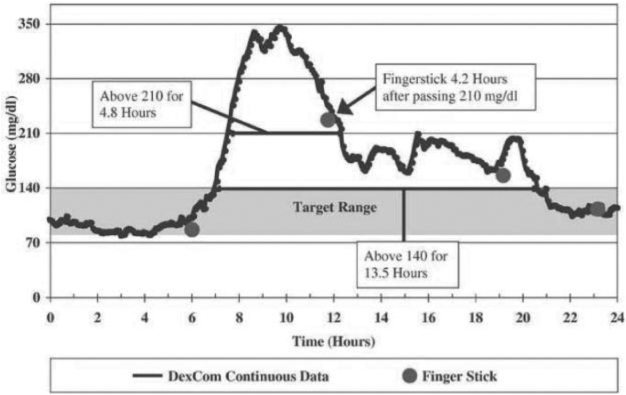
The following graph shows the limited information provided by four single-point measurements during a single day using a traditional single-point finger stick device, compared to the data provided by our continuous sensor. The data presented in the graph is from a clinical trial we completed in 2003 with a continuous glucose monitoring system, where the patient was blinded to the continuous glucose data. The continuous data indicates that, even with four finger sticks in one day, the patient’s blood glucose levels were above the target range of 80-140 milligrams per deciliter (“mg/dl”) for a period of 13.5 hours.
Single Day Continuous Data
| • | Inconvenience. The process of measuring blood glucose levels with single-point finger stick devices can cause significant disruption in the daily activities of people with diabetes and their families. People with diabetes using single-point finger stick devices must stop whatever they are doing several times per day, self-inflict a painful prick and draw blood to measure blood glucose levels. To do so, people with diabetes must always carry a fully supplied kit that may include a spring-loaded needle, or lancet, disposable test strips, cleansing wipes and the meter, and then safely dispose of the used supplies. This process is inconvenient and may cause uneasiness in social situations. |
| • | Difficulty of Use. To obtain a sample with single-point finger stick devices, people with diabetes generally prick one of their fingertips or, occasionally, a forearm with a lancet. They then squeeze the area to produce the blood sample and another prick may be required if a sufficient volume of blood is not obtained the first time. The blood sample is then placed on a disposable test strip that is inserted into a blood glucose meter. This task can be difficult for individuals with decreased tactile sensation and visual acuity, which are common complications of diabetes. |
| • | Pain. Although the fingertips are rich in blood flow and provide a good site to obtain a blood sample, they are also densely populated with highly sensitive nerve endings. This makes the lancing and subsequent manipulation of the finger to draw blood painful. The pain and discomfort are compounded by the fact that fingers offer limited surface area, so tests are often performed on areas that are sore from prior tests. People with diabetes may also suffer pain when the finger prick site is disturbed during regular activities. |
The DexCom Solution
Our G4 PLATINUM, G5 Mobile and G6 systems offer the following advantages to people with diabetes:
| • | Improved Outcomes. Results of a major multicenter clinical trial funded by the JDRF demonstrated that patients with Type 1 diabetes who used continuous glucose monitoring devices to help manage their disease experienced significant improvements in glucose control. Data published in a peer-reviewed article based on the pivotal trial for our first-generation system demonstrated that patients using the system showed statistically significant improvements in glucose levels within the target range when compared to patients relying solely on single-point finger stick measurements. Additional peer-reviewed published data has demonstrated that patients with access to seven days of continuous glucose data statistically improved glucose control by further increasing their time spent |
with glucose levels in the target range, thereby reducing time spent in both hyperglycemic and hypoglycemic ranges. Finally, peer reviewed data published from the DIaMonD study demonstrated that DexCom CGM System users on MDI (multiple daily injections) achieved a one percent average reduction in hemoglobin A1c levels, a measure of the average amount of glucose in the blood over the prior three months, after 24 weeks of regular use, compared to their baseline. Study participants also increased time spent in their target A1c range and spent less time in hypoglycemia and hyperglycemia when they used a DexCom CGM system compared to those who used only a standard blood glucose meter to monitor their glucose.
| • | Access to Real-Time Values, Trend Information and Alerts. At their fingertips, people with diabetes can view their current glucose value, along with a graphical display of the historical trend information on our receiver or alternate display device. Without continuous monitoring, the individual is often unaware if his or her glucose is rising, declining or remaining constant. Access to continuous real-time glucose measurements provides people with diabetes information that may aid in attaining better glucose control. Additionally, our G4 PLATINUM, G5 Mobile and G6 systems alert people with diabetes when their glucose levels approach inappropriately high or low levels so that they may intervene. |
| • | Intuitive User Interface. We have developed a user interface that we believe is intuitive and easy to use. The G5 Mobile and G6 receiver are compact with an easy-to-read color display, simple navigation tools, audible alerts and graphical display of trend information. Similar benefits are available via the interfaces we have made available on compatible mobile devices. These devices can serve as substitutes for our receivers or alternate display units in certain geographies. |
| • | Convenience and Comfort. Our G4 PLATINUM, G5 Mobile and G6 systems provide people with diabetes with the benefits of continuous monitoring, without having to perform finger stick tests for every measurement. Additionally, the disposable sensor that is inserted under the skin is a very thin wire, minimizing potential discomfort associated with inserting or wearing the disposable sensor. The external portion of the sensor, attached to the transmitter, is small, has a low profile and is designed to be easily worn under clothing. The wireless receiver is the size of a small smart phone and can be carried discreetly in a pocket or purse. We believe that convenience is an important factor in achieving widespread adoption of a continuous glucose monitoring system. |
| • | Connectivity to Wearables and Others. Patients can monitor their glucose levels and trends on compatible wearable devices, such as Apple Watch and Wear OS by Google devices, when used with a compatible mobile device. Also, our Share remote monitoring systems enable users of our G4 PLATINUM with Share, G5 Mobile and G6 systems to have their sensor glucose information remotely monitored by their family, friends or designated recipient, or follower, by wirelessly transmitting data from the user’s smart phone to the cloud and then to the follower’s mobile device. Up to five followers can remotely monitor a patient’s glucose information and receive secondary alert notifications from almost anywhere with an Internet connection via each follower’s mobile device. |
While we believe the G4 PLATINUM, G5 Mobile and G6 systems offer these advantages, people with diabetes may not perceive the benefits of continuous glucose monitoring and may be unwilling to change their current treatment regimens. Furthermore, our G4 PLATINUM, G5 Mobile and G6 systems are only available by prescription in the United States and may not appeal to all types of people with diabetes. Many international jurisdictions do not require a prescription for the dispensing of a specific device to a patient, however, the device must have received necessary regulatory approvals (e.g., Australia, Singapore and Germany). In the United Kingdom, CGMs and most related supplies are issued pursuant to a prescription; however, prescriptions are free for residents of England, Scotland, Wales and Northern Ireland under the National Health System. The G4 PLATINUM and G5 Mobile systems prompt the user to replace the sensor no later than the seventh day, and the G6 prompts the user to replace the sensor no later than the tenth day; although we are aware of reports from the field that some individuals have been able to use sensors for longer periods. People with diabetes could find this process to be uncomfortable or inconvenient, and may be unwilling to insert a disposable sensor in their body, especially if their current diabetes management involves no more than two finger sticks per day.
The G4 PLATINUM is not indicated as a replacement device for single-point finger stick devices in the United States, must be calibrated initially using measurements from two single-point finger stick tests and thereafter at least every 12 hours using single-point finger stick tests, and may be more costly to use than other glucose measurement devices. In the United States, Canada and the countries and regions outside of the United States that recognize the CE Mark, our G5 Mobile system no longer requires confirmatory finger sticks when making treatment decisions although it does require two single-point finger stick tests each day for calibration. In the United States, Canada and the countries and regions outside of the United States that recognize the CE Mark, our G6 does not require confirmatory finger sticks when making treatment decisions or finger stick tests each day for calibration, although it does require finger stick tests when symptoms do not match readings and when readings are unavailable.
Our Strategy
Our objective is to become the leading provider of continuous glucose monitoring systems and related products to enable people with diabetes to more effectively and conveniently manage their disease. We are also developing and commercializing products that integrate our continuous glucose monitoring technologies into the insulin delivery systems or data platforms of our respective partners. In addition, we continue to pursue development partnerships with other insulin delivery companies, including automated insulin delivery systems. To achieve these objectives, we are focusing on the following business strategies:
| • | Establish and maintain our technology platform as the leading approach to continuous glucose monitoring and leverage our development expertise to rapidly bring products to market, including for expanded indications. |
| • | Drive the adoption of our ambulatory products through a direct sales and marketing effort, as well as key distribution arrangements. |
| • | Drive additional adoption through technology integration partnerships such as our current partnerships with Eli Lilly, Insulet, Novo Nordisk, Tandem Diabetes and others. |
| • | Seek broad coverage policies and reimbursement for our products from private third-party payors and national health systems. |
| • | Drive increased utilization and adoption of our products through a cloud-based data repository platform that enables people with diabetes to aggregate and analyze data from numerous diabetes devices and share the data with their healthcare providers. |
| • | Expand the use of our products to other patient care settings and patient demographics, including the hospital, people with Type 2 diabetes and people with gestational diabetes. |
| • | Provide a high level of customer support, service and education. |
| • | Pursue the highest safety and quality levels for our products. |
Our Technology Platform
We believe we have a broad technology platform that will support the development of multiple products for continuous glucose monitoring.
Sensor Technology
The key enabling technologies for our sensors include biomaterials, membrane systems, electrochemistry and low power microelectronics. Our membrane technology consists of multiple polymer layers configured to selectively allow the appropriate mix of glucose and oxygen to travel through the membrane and react with a glucose specific enzyme to create an extremely low electrical signal, measured in pico-amperes. This electrical signal is then translated into glucose values. We believe that the capability to measure very low levels of an electrical signal and to accurately translate those measurements into glucose values is also a unique and distinguishing feature of our technology. We have also developed technology to allow sensitive electronics to be packaged in a small, fully contained, lightweight sealed unit that minimizes inconvenience and discomfort for the user.
Receiver and Transmitter Technology
G4 PLATINUM uses proprietary radiofrequency, and G5 Mobile and G6 use Bluetooth, to wirelessly transmit information from the transmitter, which sits in a pod atop the sensor, to our receiver or to a compatible mobile device. We have developed technology for reliable transmission and reception and have consistently demonstrated a high rate of successful transmissions from transmitter to receiver or compatible mobile device in our clinical trials. Our receiver or the mobile device, via our G5 Mobile and G6 apps, then displays both real-time and trended glucose values, and provides alerts and alarms. We have used our extensive database of continuous glucose data to create and refine software, algorithms and other technology for the display of data to customers.
Products in Development
We have gained our technology expertise by learning to design implants that can withstand the rigors of functioning within the human body for extended periods of time, as well as other issues such as device sealing, miniaturization, durability and sensor geometry.
We are leveraging this technology platform to enhance the capabilities of our current products (including obtaining expanded indications of use) and to develop additional continuous glucose monitoring products. We plan to develop
future generations of technologies focused on improved performance and convenience and that will enable intelligent insulin administration. Over the longer term, we plan to continue to develop and improve networked platforms with open architecture, connectivity and transmitters capable of communicating with other devices.
We also continue to pursue and support development partnerships with insulin pump companies and companies or institutions developing insulin delivery systems, including automated insulin delivery systems.
In the future, we intend to seek additional indications for our continuous glucose monitoring technology, including gestational diabetes and hospital monitoring. Eventually, we may apply our technological expertise to products beyond glucose monitoring.
Disposable Sensor and Reusable Transmitter
Our sensor includes a tiny wire-like electrode coated with our sensing membrane system. This disposable sensor comes packaged with an integrated insertion device and is contained in a small plastic housing platform, or pod. The base of the pod has adhesive that attaches it to the skin. The sensor is intended to be easily and reliably inserted by the user by exposing the adhesive, placing the pod against the surface of the skin of the abdomen or upper buttocks for people ages 2-17, and pushing down on the insertion device. The insertion device first extends a narrow gauge needle containing the sensor into the subcutaneous tissue and then retracts the needle, leaving behind the sensor in the tissue and the pod adhered to the skin. The user then disposes of the insertion device and snaps the transmitter to the pod.
After a stabilization period with the G6, the user will begin receiving CGM data on his or her mobile device or dedicated receiver through the ten-day usage period. After a stabilization period with the G5 Mobile, the user is required to calibrate the sensor with two measurements from a single-point finger stick device and the disposable sensor begins wirelessly transmitting the continuous glucose data at specific intervals to the handheld receiver or compatible mobile device. Users are prompted by the receiver or mobile app, if using the G5 Mobile, to calibrate the system twice per day with finger stick measurements throughout the use period to ensure reliable operation. Calibration may be accomplished by using any FDA cleared blood glucose meter. Currently, the G4 PLATINUM system is indicated for use as an adjunctive device to complement, not replace, information obtained from standard home blood glucose monitoring devices. Our G6 and G5 Mobile systems both have labeling from the FDA and CE Mark permitting their use as a replacement for finger sticks for making therapeutic adjustments, although the G5 Mobile still requires twice daily finger stick calibrations.
The disposable sensor contained in the G6 system is intended to function for up to ten days and the G5 Mobile and G4 PLATINUM systems are intended to function for up to seven days, after which the sensor should be replaced. To replace a sensor, the user simply removes the pod and attached sensor from the skin and discards them while retaining the reusable transmitter. A new sensor and pod can then be inserted and used with the same receiver and transmitter for a subsequent use period. We are aware of reports from the field, however, that customers have been able to use the G6 and the G5 Mobile and G4 PLATINUM sensors for periods longer than ten or seven days, respectively.
Handheld Receiver
Our small handheld receiver is carried by the user and wirelessly receives continuous glucose values from the transmitter. Proprietary algorithms and software, developed from our extensive database of continuous glucose data from clinical trials, are programmed into the G4 PLATINUM receiver to process the glucose data from the sensor and display it on a user-friendly graphical user interface. For G5 Mobile and G6, the algorithm resides on the transmitter, which then sends the processed glucose data to the receiver. With a push of a button, the user can access their current glucose value and one-, three-, six-, twelve- and twenty-four-hour trended data. Additionally, when glucose values are inappropriately high or low, the receiver provides an audible alert or vibrates. The receiver is a self-contained, durable unit with a rechargeable battery.
Compatible Mobile Devices
With our G5 Mobile and G6 systems, the functionalities of our proprietary receiver can be obtained through the use of a compatible mobile device, such as an iOS or Android device, and our mobile applications, depending on the patient’s geographic location. A receiver may be required as the primary display device or a backup to the mobile device in some jurisdictions, including the United States.
Sales and Marketing
We have built a direct sales organization to call on endocrinologists, physicians and diabetes educators who can educate and influence patient adoption of continuous glucose monitoring. We believe that focusing efforts on these participants is important given the instrumental role they each play in the decision-making process for diabetes therapy.
We believe that referrals by endocrinologists, physicians and diabetes educators, together with self-referrals by customers, have driven and will continue to drive adoption of our G4 PLATINUM, G5 Mobile and G6 systems. We directly market our products in the United States, the United Kingdom, Germany, Ireland, Austria, Switzerland and Canada primarily to endocrinologists, physicians and diabetes educators. Although the number of diabetes patients is significant, the number of physicians and educators influencing these patients is relatively small. As of 2018, we estimate there were approximately 6,500 clinical endocrinologists who treat diabetes in the United States. As a result, we believe our direct, highly specialized and focused sales organization is sufficient for us to support our sales efforts for the foreseeable future.
We also are increasing our direct to consumer marketing efforts to increase awareness of our CGM systems and drive new patient leads to our website. We target people with Type 1 and insulin intensive Type 2 diabetes. We advertise on television, in print, digital and video media, CRM, offer sponsorships, host or participate in diabetes related events, conduct public relations and maintain a brand ambassador program. Our campaigns target people with diabetes.
We use a variety of marketing tools to drive adoption, ensure continued usage and establish brand loyalty for our continuous glucose monitoring systems by:
| • | creating awareness of the benefits of continuous glucose monitoring and the advantages of our technology with endocrinologists, physicians, diabetes educators and people with diabetes; |
| • | providing strong and simple educational and training programs to healthcare providers and people with diabetes to ensure easy, safe and effective use of our systems; and |
| • | maintaining a readily accessible telephone and web-based technical and customer support infrastructure, which includes clinicians, diabetes educators and reimbursement specialists, to help referring physicians, diabetes educators and people with diabetes as necessary. |
Our sales organization competes with the experienced and well-funded marketing and sales operations of our competitors. We have relatively limited experience developing and managing a direct sales organization and we may be unsuccessful in our attempt to manage and expand the sales force. Developing a direct sales organization is a difficult, expensive and time-consuming process. To be successful we must:
| • | recruit and retain adequate numbers of effective sales personnel; |
| • | effectively train our sales personnel in the benefits of our products; |
| • | establish and maintain successful sales, marketing, training and education programs to educate endocrinologists, physicians, diabetes educators and patients about our products; |
| • | manage geographically disbursed operations; and |
| • | effectively train our sales personnel on the applicable fraud and abuse laws that govern interactions with healthcare practitioners as well as current and prospective patients and maintain active oversight and auditing measures to ensure continued compliance. |
Competition
The market for blood glucose monitoring devices is intensely competitive, subject to rapid change and significantly affected by new product introductions and other market activities of industry participants. In selling the G4 PLATINUM, G5 Mobile and G6 systems, we compete directly with Medtronic plc’s Diabetes Group; Roche Diabetes Care, a division of Roche Diagnostics; privately-held LifeScan, Inc.; the Diabetes Care division of Abbott Laboratories; and Ascensia Diabetes Care, each of which manufactures and markets products for the single-point finger stick device market. Collectively, these companies currently account for the majority of the worldwide sales of self-monitored glucose testing systems.
Several companies are developing or commercializing products for continuous or periodic monitoring of glucose levels in the interstitial fluid under the skin that compete directly with our products. Medtronic plc’s Diabetes Group markets and sells a standalone glucose monitoring product called Guardian Connect, which has launched both internationally and in the United States after receiving FDA approval in 2018. In 2015, Abbott Diabetes Care, Inc. launched a consumer flash glucose monitoring system, FreeStyle Libre outside the United States. Abbott first received FDA approval for a professional-use version of this system in September 2016 for use in the United States, referred to as the Pro Flash, for which readings are only made available to the patient through consultation with their healthcare provider. Abbott first received FDA approval for the consumer version of this system, referred to as Flash, in September 2017 for use in the United States.
Medtronic and other third parties have developed or are developing, insulin pumps integrated with continuous glucose monitoring systems that provide, among other things, the ability to suspend insulin administration while the
user’s glucose levels are low and to automate basal or bolus insulin dosing. Medtronic launched its 670G insulin delivery system in 2017.
Many of our competitors are either publicly traded or are divisions of publicly traded companies, and they enjoy several competitive advantages over us. See Risk Factors, “We operate in a highly competitive market and face competition from large, well-established medical device manufacturers with significant resources, and, as a result, we may not be able to compete effectively.”
As a result, we may be unable to compete effectively against these companies or their products. We believe that the principal competitive factors in our market include:
| • | safe, reliable and high-quality performance of products; |
| • | cost of products and eligibility for reimbursement; |
| • | comfort and ease of use of products; |
| • | effective sales, marketing and distribution networks; |
| • | brand awareness and strong acceptance by healthcare professionals and people with diabetes; |
| • | customer service and support and comprehensive education for people with diabetes and diabetes care providers; |
| • | speed of product innovation and time to market; |
| • | regulatory expertise; and |
| • | technological leadership and superiority. |
Manufacturing
We currently manufacture our products at our headquarters in San Diego, California and at our manufacturing facility in Mesa, Arizona. As of December 31, 2018, our headquarters facilities had approximately 31,000 square feet of laboratory space and approximately 28,000 square feet of controlled environment rooms. Our Mesa, Arizona facility has approximately 14,000 square feet of laboratory space and approximately 19,000 square feet of controlled environment rooms. There are technical challenges to increasing manufacturing capacity, including FDA qualification of new manufacturing facilities, equipment design and automation, material procurement, problems with production yields, and quality control and assurance. We have focused significant effort on continual improvement programs in our manufacturing operations intended to improve quality, yields and throughput. We have made progress in manufacturing to enable us to supply adequate amounts of product to support our commercialization efforts, however we cannot guarantee that supply will not be constrained going forward. Additionally, the production of our continuous glucose monitoring systems must occur in a highly controlled and clean environment to minimize particles and other yield- and quality-limiting contaminants. Developing and maintaining commercial-scale manufacturing facilities has and will continue to require the investment of substantial additional funds and the hiring and retaining of additional management, quality assurance, quality control and technical personnel who have the necessary manufacturing experience.
We manufacture our G4 PLATINUM, G5 Mobile and G6 systems with certain components supplied by outside vendors and other components that we manufacture internally. Key components that we manufacture internally include our wire-based sensors. The remaining components and assemblies are purchased from outside vendors. We then assemble, test, package and ship the finished systems, which may include a reusable transmitter, a receiver and disposable sensors.
We purchase certain components and materials used in manufacturing from single sources due to quality considerations, costs or constraints resulting from regulatory or other requirements. As of December 31, 2018, those single sources include suppliers of application-specific integrated circuits used in our transmitters, seals used for the applicator and certain polymers used to synthesize polymeric membranes for our sensors. In some cases, agreements with these and other suppliers can be terminated by either party upon short notice. We may not be able to quickly establish additional or replacement suppliers for our single-source components, especially after our products are commercialized, in part because of the FDA review process and because of the custom nature of the parts we designed. Any supply interruption from our vendors or failure to obtain alternate vendors for any of the components would limit our ability to manufacture our systems, and could have a material adverse effect on our business.
The advantages of the manufacturing facility in Mesa, Arizona include increasing our capacity to:
| • | avoid the constraints we anticipated in our headquarters facilities commencing in 2019-2020; |
| • | geographically diversify our manufacturing base to mitigate the risks of having all of our manufacturing located in earthquake and fire-prone California; and |
| • | help manage certain of our operating expenses by taking advantage of Arizona’s lower costs and taxes relative to California. |
Third-Party Reimbursement
As a medical device company, reimbursement from Medicare, Medicaid or other governmental healthcare programs or systems, and private third-party healthcare payors is an important element of our success. In January 2017, the Centers for Medicare and Medicaid, or CMS, established a classification of “Therapeutic Continuous Glucose Monitors” as durable medical equipment under Medicare Part B, subject to payment by Medicare under certain coverage conditions to be determined by CMS, by local Medicare Administrative Contractors or on a patient claim by claim basis. This is a decision we had pursued for many years and which was made possible by the FDA’s decision in December 2016 to approve a non-adjunctive indication, or use, for our G5 Mobile system, as described further in the “Regulatory” section below. Similarly, in September 2016, Germany’s Federal Joint Committee agreed to provide reimbursement for continuous glucose monitoring systems under certain conditions which we believe we meet.
Our G4 PLATINUM system is not classified as a Therapeutic CGM by CMS and thus remains ineligible for reimbursement within the Medicare-eligible population. Reimbursement of our G4 PLATINUM system, or any future system that does not meet the requirements for Therapeutic CGMs under Medicare Part B or the requirements of another governmental healthcare system, will be limited to those customers covered by third-party payors that have adopted coverage policies for continuous glucose monitoring devices that include our products.
As of December 31, 2018, the seven largest private third-party payors, in terms of the number of covered lives, have issued coverage policies for the category of continuous glucose monitoring devices. In addition, we have negotiated contracted rates with all seven of those third-party payors for the purchase of our G4 PLATINUM, G5 Mobile and G6 systems by their members. Many of these coverage policies reimburse for our products under durable medical equipment benefits, are restrictive in nature and require the patient to comply with extensive documentation and other requirements to demonstrate medical necessity under the policy. Customers who are insured by payors that do not offer coverage for our devices will have to bear the financial cost of the products. We currently employ in-house reimbursement expertise to assist customers in obtaining reimbursement from private third-party payors. We also maintain a field-based reimbursement team charged with calling on third-party private payors to obtain coverage decisions and contracts. We have had formal meetings and have increased our efforts to create and liberalize coverage policies with third-party payors, including obtaining reimbursement for our products under pharmacy benefits and for more people with diabetes.
Medicare, Medicaid, other governmental health programs, health maintenance organizations and other third-party payors are increasingly attempting to contain healthcare costs by limiting both coverage and the level of reimbursement of new medical devices, and, as a result, their coverage policies may be restrictive, or they may not cover or provide adequate payment for our products. In order to obtain reimbursement arrangements, we may have to agree to a net sales price lower than the net sales price we might charge in other sales channels. Our revenue may be limited by the continuing efforts of government and third-party payors to contain or reduce the costs of healthcare through various increasingly sophisticated means, such as requiring prospective reimbursement and second opinions, purchasing in a bundle, or redesigning benefits. Furthermore, we are unable to predict what effect the current or any future healthcare reform will have on our business, or the effect these matters will have on our customers. Our dependence on the commercial success of the G4 PLATINUM, G5 Mobile and G6 systems makes us particularly susceptible to any cost containment or reduction efforts. Accordingly, unless government and other third-party payors provide adequate coverage and reimbursement for the G4 PLATINUM, G5 Mobile and G6 systems, people without coverage who have diabetes may not use our products.
Medicare does not cover any items or services that are not “reasonable and necessary.” Medicare covers the CGM system, which includes supplies necessary for the use of the device, under the Durable Medical Equipment, or DME, benefit category. In order to be covered under this benefit, one component of the CGM system must meet the criteria for a durable medical device. To date, the receiver satisfied this criteria.
In some foreign markets, pricing and profitability of medical devices are subject to government control. In the United States, we expect that there will continue to be federal and state proposals for similar controls. Also, the trends toward managed healthcare in the United States and proposed legislation intended to reduce the cost of government insurance programs could significantly influence the purchase of healthcare services and products and may result in lower prices for our products or the exclusion of our products from reimbursement programs.
Intellectual Property
Protection of our intellectual property is a strategic priority for our business. We rely on a combination of patents, copyrights, trademarks, tradenames, trade secrets, nondisclosure agreements and other measures to establish and protect our proprietary rights.
As of December 31, 2018, we had 449 issued U.S. patents in force, and numerous U.S. published patent applications pending. We believe it will take up to five years, and possibly longer, for our pending U.S. patent applications to result in issued patents. As of December 31, 2018, we had 47 granted European patents, and numerous European patent applications and published international applications pending under the Patent Cooperation Treaty. Our patents began expiring in 2017. We also have 31 registered U.S. trademarks, 46 registered European Community trademarks, and a number of registered trademarks and numerous pending trademark applications in the United States and outside the United States. In addition, we have entered into exclusive and non-exclusive licenses in the ordinary course of business relating to a wide array of technologies or other intellectual property rights or assets. Our Restated Collaboration Agreement with Verily provides us with an exclusive license to use intellectual property of Verily resulting from the collaboration, and certain Verily patents in the development, manufacture and commercialization of blood-based or interstitial glucose monitoring products more generally (subject to certain exclusions, which are outside the CGM field as it is commonly understood). It also provides us with non-exclusive license rights under Verily’s other intellectual property rights to develop, manufacture and commercialize those kinds of glucose monitoring products and certain CGM-product companion software functionalities.
Our patents and patent applications seek to protect aspects of our core membrane and sensor technologies, and our product concepts for continuous glucose monitoring. We believe that our patent position provides us with sufficient rights to protect our current and proposed commercial products. However, our patent applications may not result in issued patents, and any patents that have been issued or might be issued may not protect our intellectual property rights. Furthermore, we operate in an industry characterized by extensive patent litigation, and our patents may not be upheld if challenged. Any patents issued to us may be challenged by third parties as being invalid or unenforceable, and patent litigation may result in significant damage awards and injunctions that could prevent the manufacture and sale of affected products or result in significant royalty payments in order to continue selling the products. Third parties may also independently develop similar or competing technology that avoids our patents. The steps we have taken may not prevent the misappropriation of our intellectual property, particularly in foreign countries where the laws may not protect our proprietary rights as fully as in the United States. We also face risks associated with intellectual property infringement. See Risk Factors, “We are subject to claims of infringement or misappropriation of the intellectual property rights of others, which could prohibit us from shipping affected products, require us to obtain licenses from third parties or to develop non-infringing alternatives, and subject us to substantial monetary damages and injunctive relief. We may also be subject to other claims or suits.” and “Our inability to adequately protect our intellectual property could allow our competitors and others to produce products based on our technology, which could substantially impair our ability to compete.”
We also rely on trade secrets, technical know-how and continuing innovation to develop and maintain our competitive position. We seek to protect our proprietary information and other intellectual property by generally requiring our employees, consultants, contractors, outside scientific collaborators and other advisors to execute non-disclosure and assignment of invention agreements on commencement of their employment or engagement. Agreements with our employees also forbid them from bringing the proprietary rights of third parties to us. We also generally require confidentiality or material transfer agreements from third parties that receive our confidential data or materials. We cannot guarantee that employees and third parties will abide by the confidentiality or assignment terms of these agreements. Despite measures taken to protect our intellectual property, unauthorized parties might copy aspects of our products or obtain and use information that we regard as proprietary.
Government Regulation
The medical devices that we manufacture are subject to regulation by numerous regulatory bodies, including the U.S. FDA and comparable international regulatory agencies. These agencies require manufacturers of medical devices to comply with applicable laws and regulations governing the development, testing, manufacturing, labeling, marketing and distribution of medical devices. Devices are generally subject to varying levels of regulatory control, the most comprehensive of which requires that a clinical evaluation program be conducted before a device receives approval for commercial distribution. In addition, healthcare regulatory bodies in the United States and around the world impose a range of requirements related to the payment for medical devices and the procedures in which they are used, including laws intended to prevent fraud, waste, and abuse of healthcare dollars.
U.S. Laws and Regulations
At the U.S. federal level, our products are medical devices subject to extensive and ongoing regulation by the FDA. The U.S. Federal Food, Drug and Cosmetic Act, referred to as the FDCA, and the FDA’s implementing regulations govern product design and development, pre-clinical and clinical testing, pre-market clearance, authorization or approval, establishment registration and product listing, product manufacturing, product labeling, product storage, advertising and promotion, product sales, distribution, recalls and field actions, servicing and post-market clinical surveillance. A number of U.S. states also impose licensing and compliance regimes on companies that manufacture or distribute prescription devices in the state.
In addition, the delivery of our devices in the U.S market is subject to regulation by the U.S. Department of Health and Human Services and comparable state agencies responsible for reimbursement and regulation of payment for health care items and services. U.S. laws and regulations are imposed primarily in connection with the Medicare and Medicaid programs, as well as the government’s interest in regulating the quality and cost of health care.
FDA Regulation
Unless an exemption applies, each medical device we wish to commercially distribute in the United States will require either prior 510(k) clearance, prior de novo down-classification and a related grant of marketing authorization, or prior approval from the FDA through the premarket approval, or PMA process. The FDA classifies medical devices into one of three classes. Devices requiring fewer controls because they are deemed to pose lower risk are placed in Class I or II. Class I devices are subject to general controls such as labeling, pre-market notification, and adherence to the FDA’s manufacturing requirements, which are contained in the Quality System Regulation, or QSR. Class II devices are subject to special controls such as performance standards, post-market surveillance, FDA guidelines, or particularized labeling, as well as general controls. Some Class I and Class II devices are exempted by regulation from the pre-market notification (i.e., 510(k) clearance) requirement, and/or the requirement of compliance with substantially all of the QSR. As an example, the mobile applications that comprise the Share System were classified by the FDA as Class II exempt. With the mobile applications classified as Class II exempt, we must comply with certain general and special controls required by the FDA but we do not need prior FDA review to commercialize changes to the mobile applications. Some devices are placed in Class III, which requires approval of a PMA application, if they are deemed by the FDA to pose the greatest risk, such as life-sustaining, life-supporting or certain implantable devices, or to be “not substantially equivalent” either to a previously 510(k) cleared device or to a “preamendment” Class III device in commercial distribution before May 28, 1976 for which PMA applications have not been required.
If a previously unclassified new medical device does not qualify for the 510(k) pre-market notification process because no predicate device to which it is substantially equivalent can be identified, the device is automatically classified into Class III. The Food and Drug Administration Modernization Act of 1997 established a new route to market for low to moderate risk medical devices that are automatically placed into Class III due to the absence of a predicate device, called the “Request for Evaluation of Automatic Class III Designation,” or the de novo classification procedure. This procedure allows a manufacturer whose novel device is automatically classified into Class III to request down-classification of its medical device into Class I or Class II on the basis that the device presents low or moderate risk, rather than requiring the submission and approval of a PMA. Prior to the enactment of the Food and Drug Administration Safety and Innovation Act, or FDASIA, in July 2012, a medical device could only be eligible for de novo classification if the manufacturer first submitted a 510(k) pre-market notification and received a determination from the FDA that the device was not substantially equivalent. FDASIA streamlined the de novo classification pathway by permitting (under Section 513(f)(2) of the FDCA) manufacturers to request de novo classification directly without first submitting a 510(k) pre-market notification to the FDA and receiving a not substantially equivalent determination. FDASIA sets a review time for FDA of 120 days following receipt of the de novo application, but FDA does not always meet this timeline and has publicly only committed to a review goal of 150 days for 50% of applications. If the manufacturer seeks reclassification into Class II, the manufacturer must include a draft proposal for special controls that are necessary to provide a reasonable assurance of the safety and effectiveness of the medical device. The FDA may reject the reclassification petition if it identifies a legally marketed predicate device that would be appropriate for a 510(k) or determines that the device is not low to moderate risk or that general controls would be inadequate to control the risks and special controls cannot be developed. If the FDA agrees with the down-classification, the de novo applicant will then receive authorization to market the device, and a classification regulation will be established for the device type. The device can then be used as a predicate device for future 510(k) submissions by the manufacturer or a competitor. In December 2018, the FDA issued proposed regulations to govern the de novo classification process, which if finalized would further impact this path to market.
As an alternative to the de novo process, a company could also file a reclassification petition, or the FDA could initiate such a process, seeking to change the automatic Class III designation of a novel postamendment device under Section 513(f)(3) of the FDCA. The FDA issued a final rule (to take effect March 17, 2019) to clarify the process where
the FDA initiates such reclassification (issuance of a proposed reclassification order; optional panel consultation; and final reclassification order published in the Federal Register).
Our G4 PLATINUM and G5 Mobile systems (excluding associated Share System functionalities and mobile applications) have been classified as devices requiring PMA approval. A PMA application must be supported by valid scientific evidence, which typically requires extensive data, including technical, pre-clinical, clinical, manufacturing and labeling data, to demonstrate to the FDA’s satisfaction the safety and efficacy of the device. A PMA application also must include a complete description of the device and its components, a detailed description of the methods, facilities and controls used to manufacture the device, and proposed labeling. After a PMA application is submitted and found to be sufficiently complete, the FDA begins an in-depth review of the submitted information. During this review period, the FDA may request additional information or clarification of information already provided. Also during the review period, an advisory panel of experts from outside the FDA may be convened to review and evaluate the application and provide recommendations to the FDA. In addition, the FDA generally will conduct a pre-approval inspection of the manufacturing facility to evaluate compliance with QSR, which requires manufacturers to implement and follow design, testing, control, documentation and other quality assurance procedures.
FDA review of a PMA application generally takes between one and three years, but may take significantly longer. The FDA can delay, limit or deny approval of a PMA application for many reasons, including:
| • | our systems may not be safe or effective to the FDA’s satisfaction; |
| • | the data from our pre-clinical studies and clinical trials may be insufficient to support approval; |
| • | the manufacturing process or facilities we use may not meet applicable requirements; and |
| • | changes in FDA approval policies or adoption of new regulations may require additional data. |
If an FDA evaluation of a PMA application or manufacturing facilities is favorable, the FDA will either issue an approval letter, or approvable letter, which usually contains a number of conditions which must be met in order to secure final approval of the PMA. When and if those conditions have been fulfilled to the satisfaction of the FDA, the agency will issue a PMA approval letter authorizing commercial marketing of a device, subject to the conditions of approval and the limitations established in the approval letter. If the FDA’s evaluation of a PMA application or manufacturing facilities is not favorable, the FDA will deny approval of the PMA or issue a not approvable letter. The FDA may also determine that additional trials are necessary, in which case the PMA approval may be delayed for several months or years while the trials are conducted and data is submitted in an amendment to the PMA. The PMA process can be expensive, uncertain and lengthy and a number of devices for which FDA approval has been sought by other companies have never been approved by the FDA for marketing.
New PMA applications or PMA supplements may be required for modifications to the manufacturing process, labeling, device specifications, materials or design of a device that is approved through the PMA process. PMA supplements often require submission of the same type of information as an initial PMA application, except that the supplement is limited to information needed to support any changes from the device covered by the approved PMA application and may or may not require as extensive clinical data or the convening of an advisory panel.
Clinical trials are almost always required to support a PMA application and are sometimes required for a 510(k) clearance. These trials generally require submission of an application for an investigational device exemption, or IDE to the FDA. The IDE application must be supported by appropriate data, such as animal and laboratory testing results, showing that it is safe to test the device in humans and that the testing protocol is scientifically sound. The IDE application must be approved in advance by the FDA for a specified number of patients, unless the product is deemed a non-significant risk device and eligible for abbreviated IDE requirements. Generally, clinical trials for a significant risk device may begin once the IDE application is approved by the FDA and the study protocol and informed consent are approved by appropriate institutional review boards at the clinical trial sites. The FDA’s approval of an IDE allows clinical testing to go forward, but does not bind the FDA to accept the results of the trial as sufficient to prove the product’s safety and efficacy, even if the trial meets its intended success criteria. All clinical trials must be conducted in accordance with the FDA’s IDE regulations, which govern investigational device labeling, prohibit promotion, and specify an array of Good Clinical Practice requirements, which include among other things, recordkeeping, reporting and monitoring responsibilities of study sponsors and study investigators. Clinical trials must further comply with the FDA’s regulations for institutional review board approval and for informed consent and other human subject protections. Required records and reports are subject to inspection by the FDA. The results of clinical testing may be unfavorable or, even if the intended safety and efficacy success criteria are achieved, may not be considered sufficient for the FDA to grant approval or clearance of a product. The commencement or completion of any of our clinical trials may be delayed or halted, or be inadequate to support approval of a PMA application, for numerous reasons, including, but not limited to, the following:
| • | the FDA or other regulatory authorities do not approve a clinical trial protocol or a clinical trial, or place a clinical trial on hold; |
| • | patients do not enroll in clinical trials at the rate we expect; |
| • | patients do not comply with trial protocols; |
| • | patient follow-up is not at the rate we expect; |
| • | patients experience adverse side effects; |
| • | patients die during a clinical trial, even though their death may not be related to our products; |
| • | institutional review boards and third-party clinical investigators may delay or reject our trial protocol; |
| • | third-party clinical investigators decline to participate in a trial or do not perform a trial on our anticipated schedule or consistent with the clinical trial protocol, good clinical practices or other FDA requirements; |
| • | DexCom or third-party organizations do not perform data collection, monitoring and analysis in a timely or accurate manner or consistent with the clinical trial protocol or investigational or statistical plans; |
| • | third-party clinical investigators have significant financial interests related to DexCom or the study that the FDA deems to make the study results unreliable, or DexCom or investigators fail to disclose such interests; |
| • | regulatory inspections of our clinical trials or manufacturing facilities, which may, among other things, require us to undertake corrective action or suspend or terminate our clinical trials; |
| • | changes in governmental regulations or administrative actions applicable to our trial protocols; |
| • | the interim or final results of the clinical trial are inconclusive or unfavorable as to safety or effectiveness; and |
| • | the FDA concludes that the results from our trial and/or trial design are inadequate to demonstrate safety and effectiveness of the product. |
In November 2011, we received 510(k) clearance from the FDA to market to clinics a data management service, which helps healthcare providers and patients see, understand and use blood glucose meter data to diagnose and manage diabetes. In 2014, we submitted a request to the FDA via the de novo process and the FDA agreed that our data management services with CGM data is classified as Class I.
Our data transfer service allows researchers to control the transfer of data from certain diabetes devices to research tools and databases according to their own research workflows.
The infrastructure of the data management service is considered “medical device data systems,” or MDDS, and does not require 510(k) clearance. MDDS are hardware or software products that transfer, store, convert formats, and display medical device data. An MDDS does not modify the data or modify the display of the data, and it does not by itself control the functions or parameters of any other medical device. MDDS are not intended to be used for active patient monitoring. On February 15, 2011, the FDA issued a regulation down-classifying MDDS from Class III (high-risk) to Class I (low-risk). Since down-classifying MDDS, the FDA gained additional experience with these types of technologies, and determined that these devices pose a low risk to the public. Therefore, the FDA stated in 2014 guidance that it did not intend to enforce compliance with the regulatory controls that apply to MDDS devices, including registration and listing, premarket review, postmarket reporting, and QSR for manufacturers of these types of devices. In 2016, the 21st Century Cures Act amended the Food, Drug, and Cosmetic Act’s definition of “device” to exclude certain software functions, thus products meeting the definition of MDDS are no longer considered devices and thus are not subject to FDA regulatory requirements.
Additional functions of, or intended uses for, our software platform may require us to obtain either 510(k) clearance or PMA approval from the FDA. To obtain 510(k) clearance, we must submit a pre-market notification demonstrating that the software system is substantially equivalent to a previously cleared 510(k) device or a pre-amendment device that was in commercial distribution before May 28, 1976 for which the FDA has not yet called for the submission of a PMA application. The FDA’s 510(k) clearance pathway generally takes from three to twelve months from the date the application is completed, but can take significantly longer. After a medical device receives 510(k) clearance, any modification that could significantly affect its safety or effectiveness, or that would constitute a significant change in its intended use, requires a new 510(k) clearance.
In March 2018 we obtained marketing authorization for the Dexcom G6 integrated continuous glucose monitoring (iCGM) system for determining glucose (sugar) levels in children aged two and older and adults with diabetes, via the de novo process.
After a device is authorized for marketing and placed in commercial distribution, numerous regulatory requirements apply. These include:
| • | establishment registration and device listing; |
| • | QSR, which requires manufacturers to follow design, testing, control, storage, supplier/contractor selection, complaint handling, documentation and other quality assurance procedures; |
| • | labeling regulations, which prohibit the promotion of products for unapproved or off-label uses or indications and impose other restrictions on labeling, advertising and promotion; |
| • | medical device reporting regulations, which require that manufacturers report to the FDA if a device may have caused or contributed to a death or serious injury or malfunctioned in a way that would likely cause or contribute to a death or serious injury if it were to recur; |
| • | voluntary and mandatory device recalls to address problems when a device is defective and/or could be a risk to health; and |
| • | corrections and removal reporting regulations, which require that manufacturers report to the FDA field corrections and product recalls or removals if undertaken to reduce a risk to health posed by the device or to remedy a violation of the FDCA that may present a risk to health. |
Also, the FDA may require us to conduct post-market surveillance studies or order us to establish and maintain a system for tracking our products through the chain of distribution to the patient level. The FDA and the Food and Drug Branch of the California Department of Health Services enforce regulatory requirements by conducting periodic, unannounced inspections and market surveillance. Inspections may include the manufacturing facilities of our subcontractors.
Failure to comply with applicable regulatory requirements, including those applicable to the conduct of our clinical trials, can result in enforcement action by the FDA, which may lead to any of the following sanctions:
| • | warning letters or untitled letters that require corrective action; |
| • | fines and civil penalties; |
| • | unanticipated expenditures; |
| • | delays in approving or refusal to approve our future continuous glucose monitoring systems or other products; |
| • | FDA refusal to issue certificates to foreign governments needed to export our products for sale in other countries; |
| • | suspension or withdrawal of FDA approval; |
| • | product recall or seizure; |
| • | interruption of production; |
| • | operating restrictions; |
| • | injunctions; and |
| • | criminal prosecution. |
We and our contract manufacturers, specification developers, and some suppliers of components or device accessories, are also required to manufacture our products in compliance with current Good Manufacturing Practice requirements set forth in the QSR. The QSR requires a quality system for the design, manufacture, packaging, labeling, storage, installation and servicing of marketed devices, and includes extensive requirements with respect to quality management and organization, device design, buildings, equipment, purchase and handling of components or services, production and process controls, packaging and labeling controls, device evaluation, distribution, installation, complaint handling, servicing, and record keeping. The FDA evaluates compliance with the QSR through periodic unannounced inspections that may include the manufacturing facilities of our subcontractors. If the FDA believes we or any of our contract manufacturers or regulated suppliers are not in compliance with these requirements, it can shut down our manufacturing operations, require recall of our products, refuse to approve new marketing applications, institute legal proceedings to detain or seize products, enjoin future violations, or assess civil and criminal penalties against us or our officers or other employees. Any such action by the FDA would have a material adverse effect on our business. We may be unable to comply with all applicable FDA regulations.
U.S. Fraud and Abuse Laws and Other Compliance Requirements
The healthcare industry is subject to various U.S. federal and state laws pertaining to healthcare fraud and abuse. Violations of these laws are punishable by criminal and civil sanctions, including, in some instances, exclusion from participation in U.S. federal and state healthcare programs, including Medicare and Medicaid.
Anti-kickback Laws. The federal Anti-Kickback Statute prohibits persons from knowingly and willfully soliciting, receiving, offering or providing remuneration directly or indirectly to induce either the referral of an individual, or the furnishing, recommending, or arranging of a good or service, for which payment may be made under a federal healthcare program such as Medicare and Medicaid. The definition of “remuneration” has been broadly interpreted to include anything of value, including such items as gifts, discounts, the furnishing of supplies or equipment, credit arrangements, waiver of payments, and providing anything at less than its fair market value. The Department of Health and Human Services, or HHS has issued regulations, commonly known as safe harbors, that set forth certain provisions which, if fully met, will assure healthcare providers and other parties that they will not be prosecuted under the federal Anti-Kickback Statute. The failure of a transaction or arrangement to fit precisely within one or more safe harbors does not necessarily mean that it is illegal or that prosecution will be pursued. However, conduct and business arrangements that do not fully satisfy each applicable safe harbor may result in increased scrutiny by government enforcement authorities such as the HHS Office of Inspector General.
The penalties for violating the federal Anti-Kickback Statute include imprisonment for up to ten years, fines of up to $100,000 per violation and possible exclusion from federal healthcare programs such as Medicare and Medicaid. Many states have adopted prohibitions similar to the federal Anti-Kickback Statute, some of which apply to the referral of patients for healthcare services reimbursed by any source, not only by the Medicare and Medicaid programs.
Federal False Claims Act. The federal False Claims Act prohibits knowingly presenting, or causing to be presented a false claim or the knowing use of false statements or records to obtain payment from the federal government. When an entity is determined to have violated the False Claims Act, it must pay three times the actual damages sustained by the government, plus mandatory civil penalties of between $11,181 and $22,363 for each separate false claim. Suits filed under the False Claims Act, known as “qui tam” actions, can be brought by any individual on behalf of the government and such individuals (known as “relators” or, more commonly, as “whistleblowers”) may share in any amounts paid by the entity to the government in fines or settlement. In addition, certain states have enacted laws modeled after the federal False Claims Act. Qui tam actions have increased significantly in recent years, causing greater numbers of healthcare companies to have to defend a false claim action, pay fines or be excluded from Medicare, Medicaid or other federal or state healthcare programs as a result of an investigation arising out of such action. Federal enforcement agencies also have showed increased interest in pharmaceutical companies’ product and patient assistance programs, including reimbursement and co-pay support services, and a number of investigations into these programs have resulted in significant civil and criminal settlements. In addition, the Affordable Care Act amended federal law to provide that the government may assert that a claim including items or services resulting from a violation of the federal anti-kickback statute constitutes a false or fraudulent claim for purposes of the federal civil False Claims Act. Criminal prosecution is possible for knowingly making or presenting a false or fictitious or fraudulent claim to the federal government.
Federal Physician Self-Referral Law (Stark Law). The Stark Law prohibits a physician (or an immediate family member of a physician) who has a financial relationship with an entity from referring patients to that entity for certain designated health services (“DHS”), including durable medical equipment such as the CGM receiver and supplies, payable by Medicare, unless an exception applies. The Stark Law also prohibits such an entity from presenting or causing to be presented a claim to the Medicare program for DHS provided pursuant to a prohibited referral, and provides that certain collections related to any such claims must be refunded in a timely manner. Because we bill Medicare for DME and related supplies, the company’s financial relationships with referring physicians are governed by the Stark Law. Exceptions to the Stark Law include, among other things, exceptions for certain financial relationships, including both ownership and compensation arrangements. The Stark Law is a strict liability statute, therefore, to the extent that the statute is implicated and an exception does not apply, the statute is violated. In addition to the Stark Law, many states have implemented similar physician self-referral prohibitions that may extend to Medicaid, third party payors, and self-pay.
HIPAA and Other Privacy Laws and Regulations. The Health Insurance Portability and Accountability Act of 1996, as amended by the American Recovery and Reinvestment Act of 2009, and implementing regulations, or HIPAA, created two new federal crimes: healthcare fraud and false statements relating to healthcare matters. The healthcare fraud statute prohibits knowingly and willfully executing a scheme to defraud any healthcare benefit program, including private payors. A violation of this statute is a felony and may result in fines, imprisonment or exclusion from government sponsored programs. The false statements statute prohibits knowingly and willfully falsifying, concealing or covering up a material fact or making any materially false, fictitious or fraudulent statement in connection with the delivery of or
payment for healthcare benefits, items or services. A violation of this statute is a felony and may result in fines or imprisonment.
HIPAA, as well as a number of other federal and state privacy-related laws, also extensively regulate the use and disclosure of individually identifiable health information, known as “protected health information,” and require covered entities, including health plans and most health care providers, to implement administrative, physical and technical safeguards to protect the security of such information. Certain provisions of the security and privacy regulations apply to business associates (entities that handle protected health information on behalf of covered entities), and business associates are subject to direct liability for violation of these provisions. In addition, a covered entity may be subject to criminal and civil penalties as a result of a business associate violating HIPAA, if the business associate is found to be an agent of the covered entity. The HIPAA privacy regulations and security regulations impose and will continue to impose significant costs on us in order to comply with these standards.
In addition, certain states have proposed or enacted legislation that will create new data privacy and security obligations for certain entities, such as the California Consumer Privacy Act that was recently enacted and goes into effect January 1, 2020.
FCPA and Other Anti-Bribery and Anti-Corruption Laws. Additionally, the U.S. Foreign Corrupt Practices Act, or FCPA, prohibits U.S. corporations and their representatives from offering, promising, authorizing or making payments to any foreign government official, government staff member, political party or political candidate in an attempt to obtain or retain business abroad. The scope of the FCPA would include interactions with certain healthcare professionals in many countries. Our present and future business has been and will continue to be subject to various other U.S. and foreign laws, rules and/or regulations.
Sunshine Act. Pursuant to the Patient Protection and Affordable Care Act that was signed into law in March 2010, the federal government enacted the Physician Payment Sunshine Act. As a manufacturer of U.S. FDA‑regulated devices reimbursable by federal healthcare programs, we are subject to this law, which requires us to track and annually report certain payments and other transfers of value we make to U.S.-licensed physicians or U.S. teaching hospitals. We are also required to report certain ownership interests held by physicians and their immediate family members. In 2018 the law was extended to require tracking and reporting of transfers of value to physician assistants, nurse practitioners, and other mid-level practitioners. Reporting requirements will go into effect in 2022 for payments and transfers of value made to these additional practitioner-types in 2021. CMS has the potential to impose penalties of up to $1.15 million per year for violations of the Physician Payment Sunshine Act, depending on the circumstances, and payments reported also have the potential to draw scrutiny on payments to and relationships with physicians, which may have implications under the Anti-Kickback Statute and other healthcare laws.
International Regulation
International sales of medical devices are subject to foreign government regulations, which may vary substantially from country to country. The time required to obtain approval in a foreign country may be longer or shorter than that required for FDA approval, and the requirements may differ. There is a trend towards harmonization of quality system standards among the European Union, United States, Canada and various other industrialized countries.
The primary regulatory body in Europe is that of the European Union, which includes most of the major countries in Europe. Other countries, such as Switzerland, have voluntarily adopted laws and regulations that mirror those of the European Union with respect to medical devices. The European Union has adopted numerous directives and standards regulating the design, manufacture, clinical trials, labeling and adverse event reporting for medical devices. Devices that comply with the requirements of a relevant directive will be entitled to bear the CE conformity marking, indicating that the device conforms to the essential requirements of the applicable directives and, accordingly, can be commercially distributed throughout Europe. The method of assessing conformity varies depending on the class of the product, but normally involves a combination of self-assessment by the manufacturer and a third-party assessment by a “Notified Body.” This third-party assessment may consist of an audit of the manufacturer’s quality system and specific testing of the manufacturer’s product. An assessment by a Notified Body of one country within the European Union is required in order for a manufacturer to commercially distribute the product throughout the European Union. Outside of the European Union, regulatory approval needs to be sought on a country-by-country basis in order for us to market our products. The European Union regulatory bodies finalized a new Medical Device Regulation (MDR) in 2017, which replaced the existing Directives and provided three years for transition and compliance. The MDR will change several aspects of the existing regulatory framework. Other countries have adopted medical device regulatory regimes, such as the Classification Rules for Medical Devices published by the Hong Kong Department of Health, the Health Sciences Authority of Singapore regulation of medical devices under the Health Products Act, and Health Canada’s risk classification system for invasive devices, among others. Each country may have its own processes and requirements for
medical device licensing, approval, and regulation, therefore requiring us to seek regulatory approvals on a country-by-country basis.
Outside the United States a range of anti-bribery and anti-corruption laws, as well and some industry-specific laws and codes of conduct, apply to the medical device industry and interactions with government officials and entities and healthcare professionals. Laws include the UK Bribery Act of 2010. Further, the EU member countries have emphasized a greater focus on healthcare fraud and abuse and have indicated greater attention to the industry by the European Anti-Fraud Office. MedTech Europe, the medical device industry association, also introduced the Code of Ethical Business Practices, which came into effect on January 1, 2017. Countries in Asia have also become more active in their enforcement of anti-bribery laws and with respect to procurement and supply chain fraud.
In the European Union, increasingly stringent data protection and privacy rules that have and will continue to have substantial impact on the use of patient data across the healthcare industry became effective in May 2018. The EU General Data Protection Regulation, or GDPR, applies across the European Union and includes, among other things, a requirement for prompt notice of data breaches to data subjects and supervisory authorities in certain circumstances and significant fines for non-compliance. The GDPR fine framework can be up to 20 million euros, or up to 4 % of the company’s total global turnover of the preceding fiscal year, whichever is higher. The GDPR also requires companies processing personal data of individuals residing in the European Union to comply with EU privacy and data protection rules, even if the company itself does not have a physical presence in the European Union. Noncompliance could result in the imposition of fines, penalties, or orders to stop noncompliant activities. Due to the strong consumer protection aspects of the GDPR, companies subject to its purview are allocating substantial legal costs to the development of necessary policies and procedures and overall compliance efforts. We expect continued costs associated with maintaining compliance with GDPR into the future.
Environmental Regulation
Our research and development and clinical processes involve the handling of potentially harmful biological materials as well as hazardous materials. We are subject to federal, state and local laws and regulations governing the use, handling, storage and disposal of hazardous and biological materials and we incur expenses relating to compliance with these laws and regulations. If violations of environmental, health and safety laws occur, we could be held liable for damages, penalties and costs of remedial actions. These expenses or this liability could have a significant negative impact on our financial condition. We may violate environmental, health and safety laws in the future as a result of human error, equipment failure or other causes. Environmental laws could become more stringent over time, imposing greater compliance costs and increasing risks and penalties associated with violations. We are subject to potentially conflicting and changing regulatory agendas of political, business and environmental groups. Changes to or restrictions on permitting requirements or processes, hazardous or biological material storage or handling might require an unplanned capital investment or relocation. Failure to comply with new or existing laws or regulations could harm our business, financial condition and results of operations.
Advisory Boards and Consultants
We have relied upon the advice of experts in the development and commercialization of our products. Since 2005, we have used experts in various disciplines on a consulting basis as needed to solve problems or accelerate development pathways. We may continue to engage advisors from the academic, consultancy, governmental or other areas to assist us as necessary.
Employees
As of December 31, 2018, we had approximately 2,800 full-time employees and approximately 1,100 contract and temporary employees globally. None of our employees are represented by a labor union or covered by a collective bargaining agreement. We have never experienced any employment-related work stoppages and we consider our employee relations to be good.
Available Information
Our Internet website address is www.dexcom.com. We provide free access to various reports that we file with or furnish to the SEC through our website, as soon as reasonably practicable after they have been filed or furnished. These reports include, but are not limited to, our annual reports on Form 10-K, quarterly reports on Form 10-Q, current reports on Form 8-K, and any amendments to those reports. Our SEC reports can be accessed through the investor relations section of our website, or through www.sec.gov. Also available on our website are printable versions of our Audit Committee charter, Compensation Committee charter, Nominating and Corporate Governance Committee charter, and
Business Code of Conduct and Ethics. Information on our website does not constitute part of this Annual Report on Form 10-K or other report we file or furnish with the SEC. Stockholders may request copies of these documents from:
DexCom, Inc.
6340 Sequence Drive
San Diego, CA 92121
(858) 200-0200
Previous: Cover and table of contents · Next: Item 1A. RISK FACTORS